
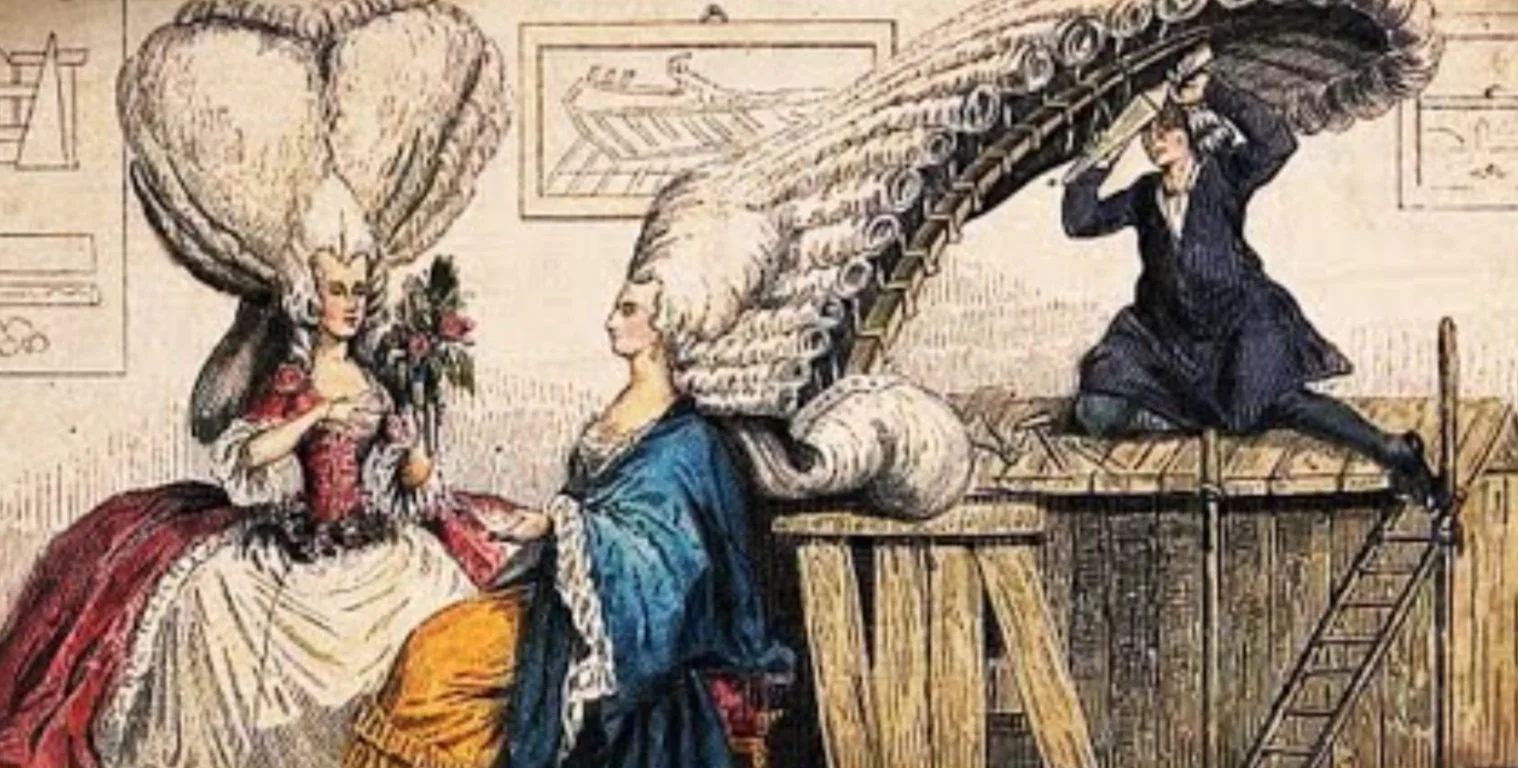
Taken from the French language, this appropriately ornate noun pertains to makers of perukes, wigs or hairpieces, a trade that has variously gone in and out of fashion over the centuries.
Whether made from human or animal hair, such as horse tail, or goat hair, or sheep’s wool braided in to add thickness, wigs were first documented in regular use in Ancient Egypt, as status symbols, or for protection from the sun, held in place by beeswax. Cleopatra is best known for her braided mane. Wigs and hair extensions, there and in other parts of the ancient world, from Assyrians, Persians, Greeks, or further afield, were donned by political leaders, queens and pharaohs.
After the end of the Roman Empire, wigs went out of fashion for centuries, but revived in 16th century Europe. Queen Elizabeth I famous wore them, and was thought to have over 80s hairpieces. But it was the 17th century when wigs became a more universal look, with King Louis XIII of France particularly setting a trend for men, becoming one of the first to commission custom-made pieces. Wigs continued being required norm for the next century for a variety of reasons – displays of dandyism, wealth and status symbols from the aristocracy and judiciary down to all but the every poorest levels of society. They helped cover up baldness, or skin problems, often from diseases such as syphilis, but could also be a haven for various insects including fleas.
Powdered wigs (perukes) became the norm for almost two centuries, because delousing a wig was much easier than delousing a head of hair. The dirty headpiece was sent back to the unlucky perruquier or wigmaker, who would boil the wig and remove the nits.
But by the late 18th century, the wig trend was dying out. French citizens ousted the peruke during the Revolution, and British customers stopped wearing wigs after Prime Minister William Pitt levied a tax on hair powder in 1795. Short, natural hair became the new craze, and it would stay for over 160 years.
Then in 1960s ushered in a new era for wigmakers with high-fashion and pop- and rock-star clients, with Dolly Parton a prime example, as well as toupés worn by men going bald. Hair extensions have also remained popular in the 21st century for pop stars and models, such as Britney Spears, Tyra Banks, Naomi Campbell and Lady Gaga. Here then is a potted video summary, and a few images from the history of wigs.
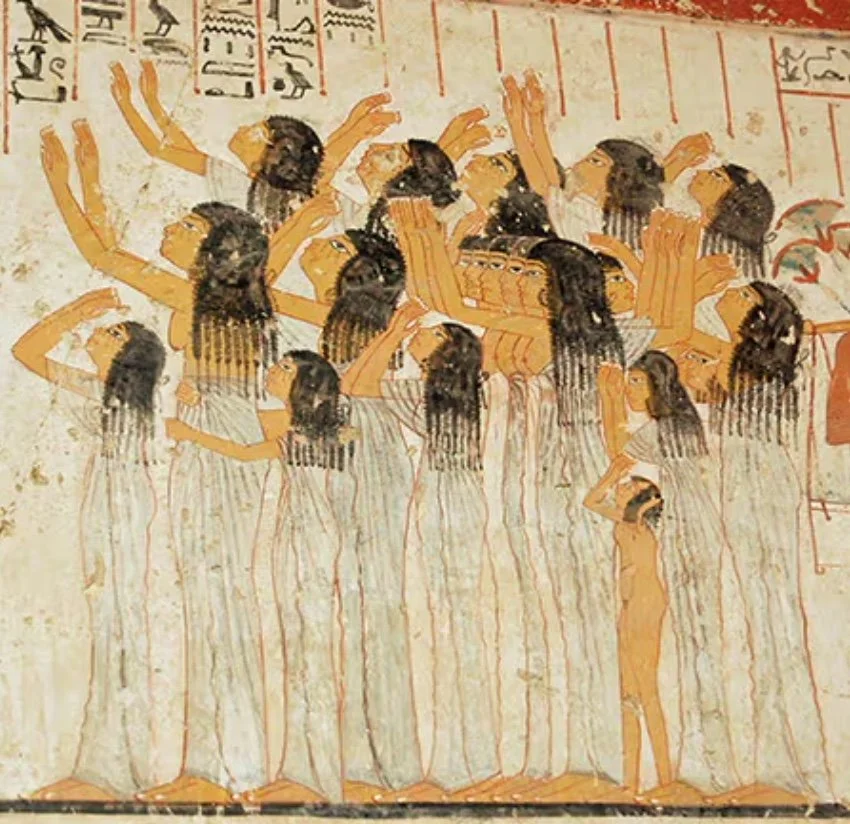
Ancient Egyptian wigs
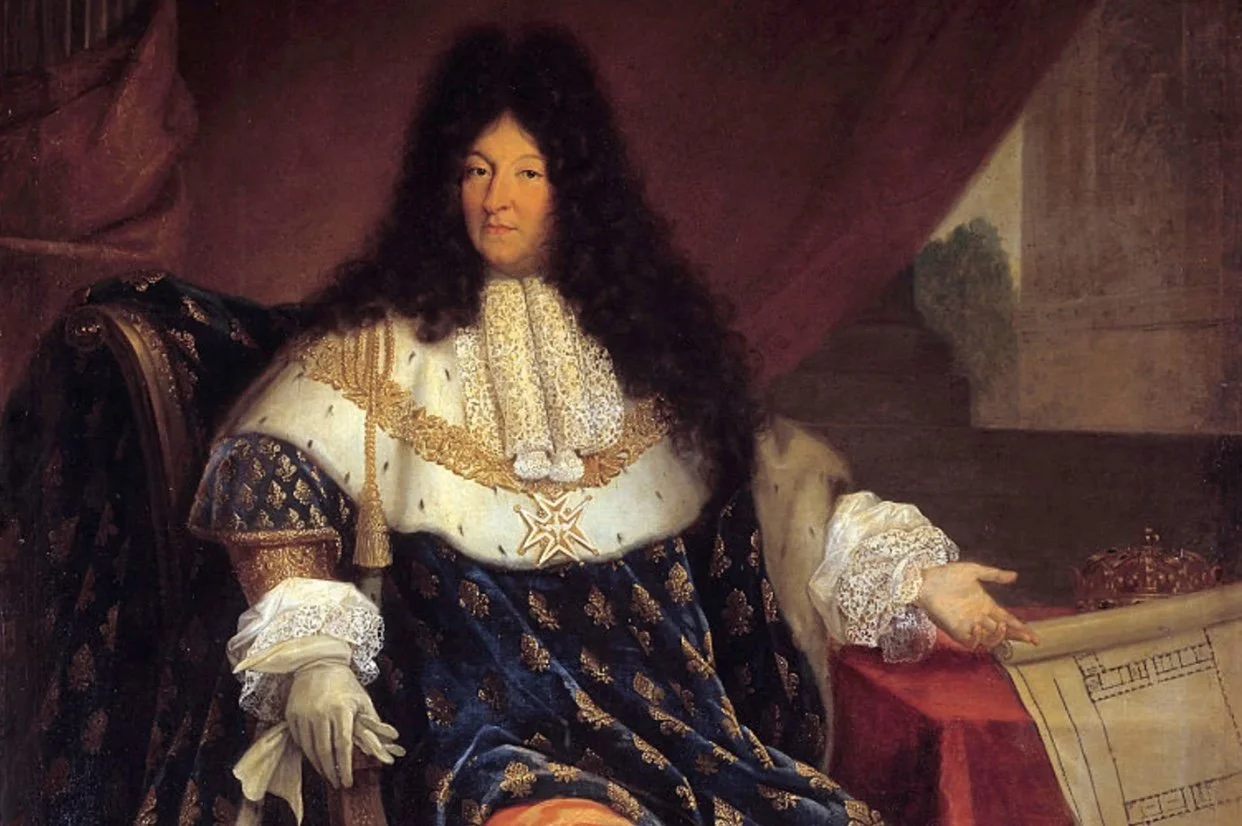
Louis XIV
Big hair day …
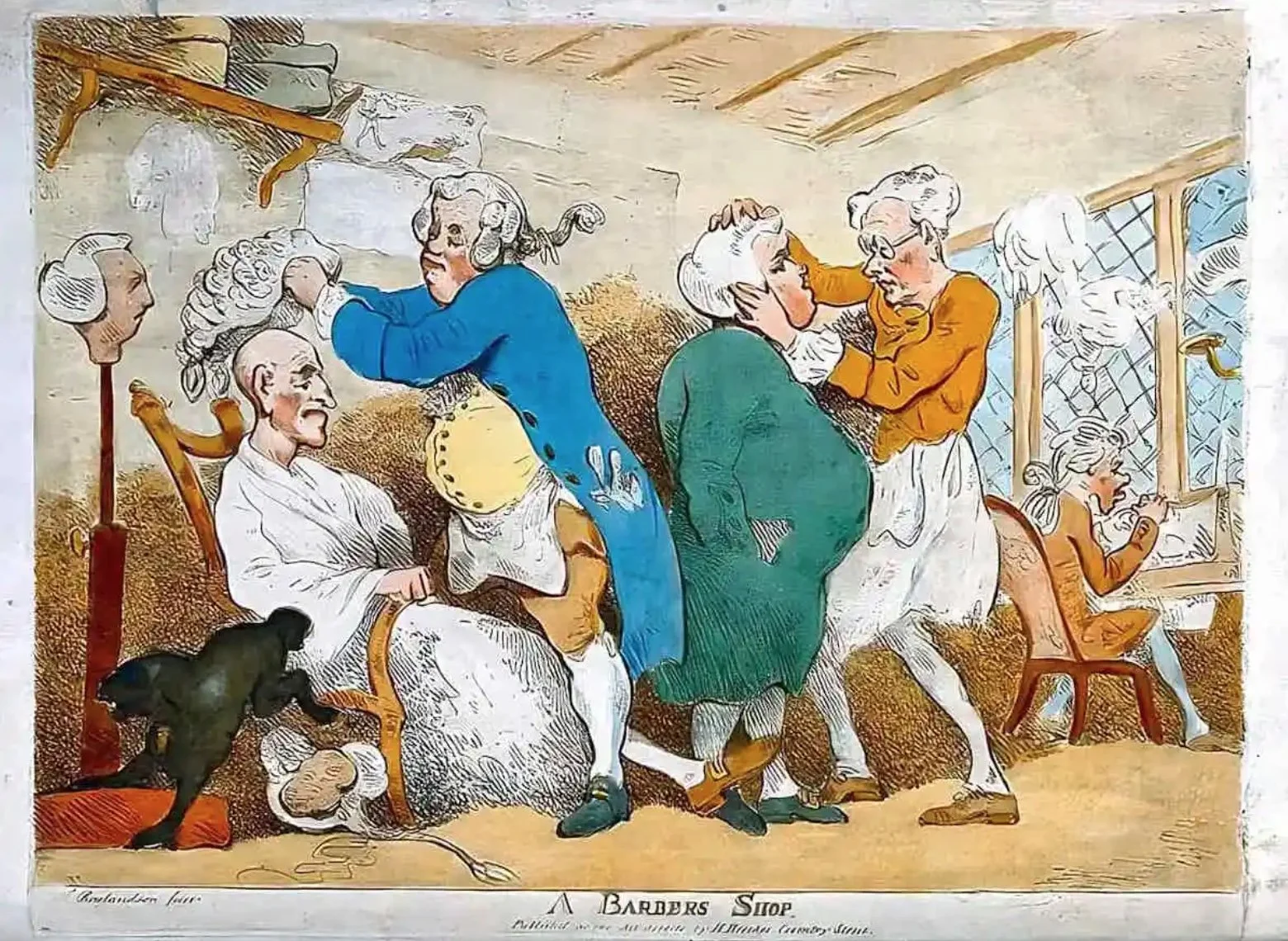
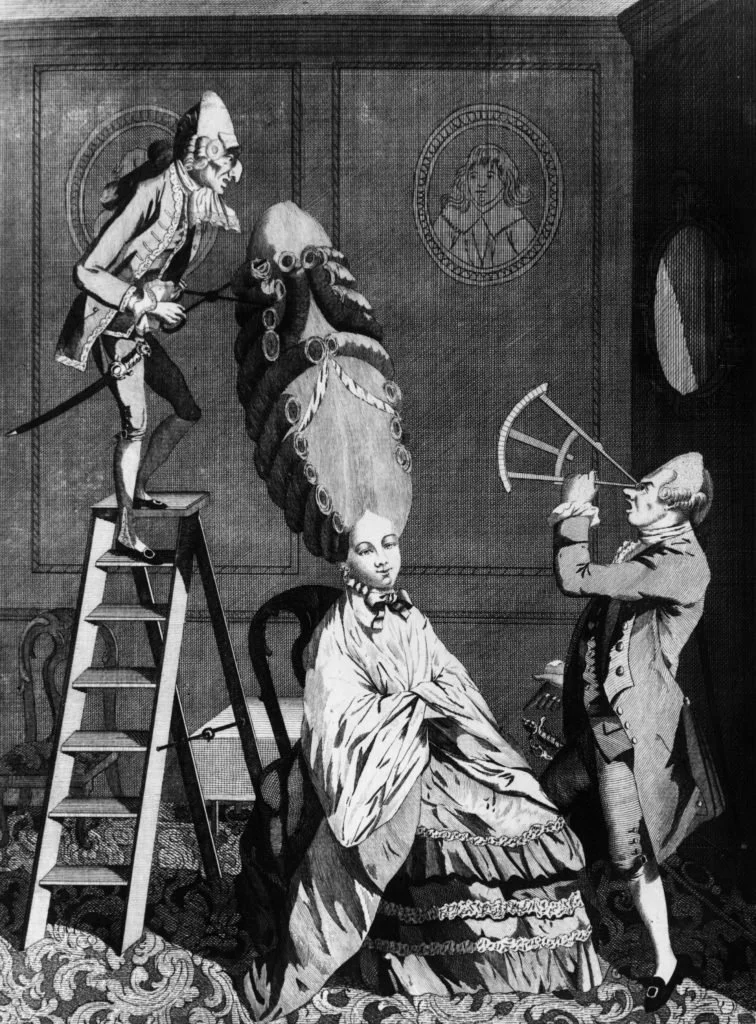
18th-century barbers were more realistically wig adjusters and powderers …
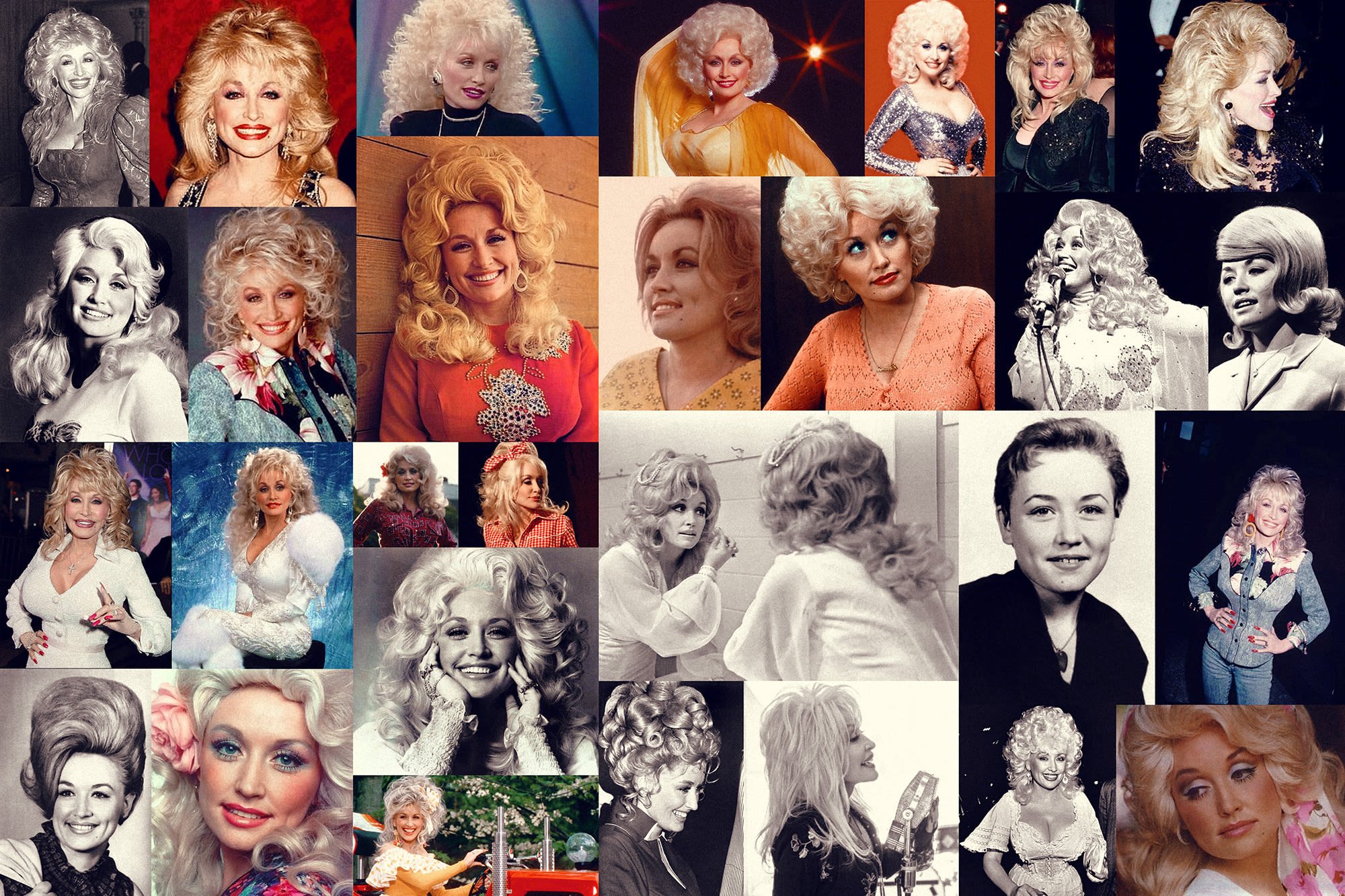
Dolly Parton
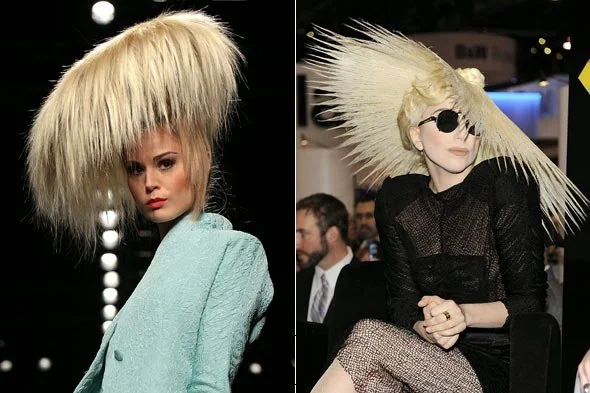
Lady Gaga
But for all of this, what about wigs in song? Here it’s time to comb in a few examples:
Serge et Nahtalie by the French jazz and torch song performer and poet Claude Nougaro uses the word itself in this twisted tale of love, wigs, disguise and intrigue Here’s the French and the English translation
Elle part en cachette
Chez le perruquier
L'homme lui achète
Ses boucles dorées
Puis elle court chez l'horloger
Mais Serge au même instant
Contre un peigne a échangé
Une chaîne d'argent
She leaves in secret
At the wigmaker's
The man buys it from him
Her golden curls
Then she runs to the watchmaker
But Serge at the same time
For a comb exchanged
A silver chain
Annie Cordy’s Le cirque gorgonzola is a sprightly number also featuring a perruquier:
A trumpet blast here
A cymbal crash over there
Here is the great Gorgonzola circus
It is the most famous in all of Italy.
People of Venice or Capri come in come in
Because you will see this evening under the big top
All issues, old and new
Miss Ravioli, swinging nonchalantly
Up there on a thread of parmesan
The fakir Risegato with his boxwood flute
In his spaghetti charmer act
You will see Figaro, the famous wigmaker …
The B-52s might have produced the best known wig piece in English:
Missy Elliott meanwhile has no qualms about wanting to fix her weave:
Blur’s Mr Robinson’s Quango, from their fourth LP The Great Escape, features this rather cutting and neat half-rhyme (hair)line, with a throwback to the sort of STDs covered up by wigs in the 18th century:
He got a hairpiece
Oh he got herpes…
And to finish this brief hair around music and cultural history, here’s some wig-loving pop from Todrick Hall:
Hair today, gone tomorrow, but are there any other perruqier-related suggestions out there? Feel free to share anything more in relation to it, whether in music or wider culture, such as from film, art, or other contexts, in comments below.
You can also get in touch the contact page, and also visit us on social media: Song Bar X, Song Bar Facebook. Song Bar YouTube. and Song Bar Instagram. Please subscribe, follow and share. New to comment? It is quick and easy. You just need to login to Disqus once. All is explained in About/FAQs ...
Song Bar is non-profit and is simply about sharing great music. We don’t do clickbait or advertisements. Please make any donation to help keep the Bar running: