By The Landlord
“An ecstasy is a thing that will not go into words; it feels like music.” – Mark Twain
“The whispers of shared ecstasy are choral.” – George Steiner
“Understanding is a kind of ecstasy.” – Carl Sagan
“The pain was so great, that it made me moan; and yet so surpassing was the sweetness of this excessive pain, that I could not wish to be rid of it.” – Saint Teresa of Avila
“I felt my lungs inflate with the onrush of scenery—air, mountains, trees, people. I thought, ‘This is what it is to be happy’.” – Sylvia Plath
“Stop acting so small. You are the universe in ecstatic motion.” – Rumi
“Only the united beat of sex and heart together can create ecstasy.” – Anaïs Nin
“I remember all too well the premiere of Ecstasy when I watched my bare bottom bounce across the screen and my mother and father sat there in shock.” – Hedy Lamarr
“Ecstasy is from the contemplation of things vaster than the individual and imperfectly seen perhaps, by all those that still live.” – WB Yeats
“Tony Wilson once compared me to WB Yeats. It didn't really mean that much because I didn't have a clue who Yeats was… But anyway, the rock 'n' roll lifestyle may be chaotic, but it's also filled with moments of pure joy and ecstasy.” – Shaun Ryder
In the opening scene of Michael Winterbottom’s much loved 2002 feature film 24 Hour Party People, Steve Coogan, playing Manchester TV presenter and Factory Records co-founder the late Tony Wilson, is shown doing a local news piece for Grenada Television (Granada Reports) about the growing craze of hang-gliding in the Peak District. During that white-knuckle first-hand experience of chaotically giving it a go, he announces the virtues of him being “on a physical legal high”. It is of course a knowing metaphor for what's to come in the hedonistic days of late 80s and early 90s Manchester and its legendarily anarchic music scene. What is the final part? “Icarus,” he explains, with a smug grin.
Growing up in Manchester, I remember Tony Wilson in the 1970s and 80s more as that slightly pretentious TV presenter, and to be fair, a discerning cultural tastemaker on shows such as So It Goes. I also used to go to the Hacienda as a teenager in the mid-80s before it was the epicentre of the acid house scene, a place where the club would boldly and bravely host all kinds of weird fringe bands and acts when often barely anyone turned up to see them. It takes time for things to take off, but they certainly did, before coming to that eventual notorious crash landing. It’s a story well documented, and most entertainingly so in that 2002 film. But that’s ecstasy for you. There’s the adrenaline rush of take-off, a thrill of cruising on a plateau, then the inevitable, not always smooth, comedown. It’s the arc of an emotional flight path and very colourful story.
So then, this week's theme might initially strike you as being going all acid house and dance music of a certain period, and yes those sounds and musical rhythmic structures and techniques of bringing up a conjugal high will certainly come up, one that initially was a happy accident with the flood of the empathetic drug Methylenedioxymethamphetamine (MDMA), but it all about covers all kinds of ecstasy – a state of mind and body that could be religious, sexual, philosophical, and of ways in which the mind is focused by that recreational drug.
So overall, this is a mood-and-feeling topic, but can also be a lyrical one.
Of course drugs and music is nothing new, from LSD in the 1960s to speed in the 1970s and others, but let’s concentrate on one in particular…
I first experienced ecstasy, of the chemical kind, in around 1988. For me it was a cautious, occasional thrill, not a regular habit. The pills around at the time were likely those known as California Sunrise. They were expensive – £20 a pop, so this was a serious investment. You’d only take about a quarter to get you flying. A whole one would blow your head off. After about 45 minutes there would suddenly rise up a sweaty rush of euphoria. And for some reason, little finger of my right hand would stand up to attention like a flag. Sometimes you’d see geometric shapes, and want to express that with your hands, and your jaw might go a bit wonky and your eyes swivel and vision judder a little. But most all all, your body felt supremely lithe and loose – the best cure for backache ever.
The music in a club, which might have seemed a bit over-simplistic with its repetitive four-to-the-floor squishy, spongey beats and squiggles, suddenly all made perfect sense. And with it an overwhelming feeling of belonging, of empathy, of connectedness, of wanting to hug strangers, of telling your friends how great they are. There are a number of songs that to this day instantly recall that feeling. Music always takes us back.
That sense of joyous mutual acceptance was the very opposite of today’s culture of snarling social media and division, but let’s not go there.
By then I was at university away from the city, so only dipped in and out the scene, wasn’t really party to its origins which were very much a limited a niche crowd. And, contrary to popular belief, it wasn’t The Hacienda where the ecstasy scene first began, but an obscure gay club in the city centre, Stuffed Olives on Deansgate, where the likes of Eric Barker, known by Shaun Ryder as The Wizard of E, would dress up and conduct party goers to the tune of this amazing drug. Another more underground late-night party scene was over in Hulme on a huge, concrete rundown, edgy housing estate at a place known as The Kitchen, a really edgy hole in the wall dive of sweaty euphoria.
Yet MDMA had been around for a long time. It was first synthesized and patented in 1912 by Merck chemist Anton Köllisch. In America, in the 1960s and beyond, it was often prescribed, legally. by psychotherapists, for marriage guidance counselling or mental health issues. It was used recreationally in California at parties, but not with any intended connection to music, more of a way for people to have a good time, connect and relax. Then with scenes in Ibiza, and clubs in London such as Shoom in Southwark or The Trip in central London near the old Astoria building, as well as in Manchester, Liverpool and elsewhere, it grew like wildfire.
In Manchester were all kinds of charismatic figures with different roles in this cultural change, including the New Order’s Peter Hook and co, the irrepressible Bez (Mark Berry) with Shaun and the Happy Mondays, brothers Anthony and Chris Donnelly, and key DJs such as Mike Pickering, Graham Massey of 808 State, Gerald Simpson (A Guy Called Gerald), and of course many others more in the shadows, the big-time dealers gaining supplies from Amsterdam, including the colourful and infamous John "Juicebomb" Burton from Liverpool. But on a purely ecstatic front, here are a few more images that might take some of you back.
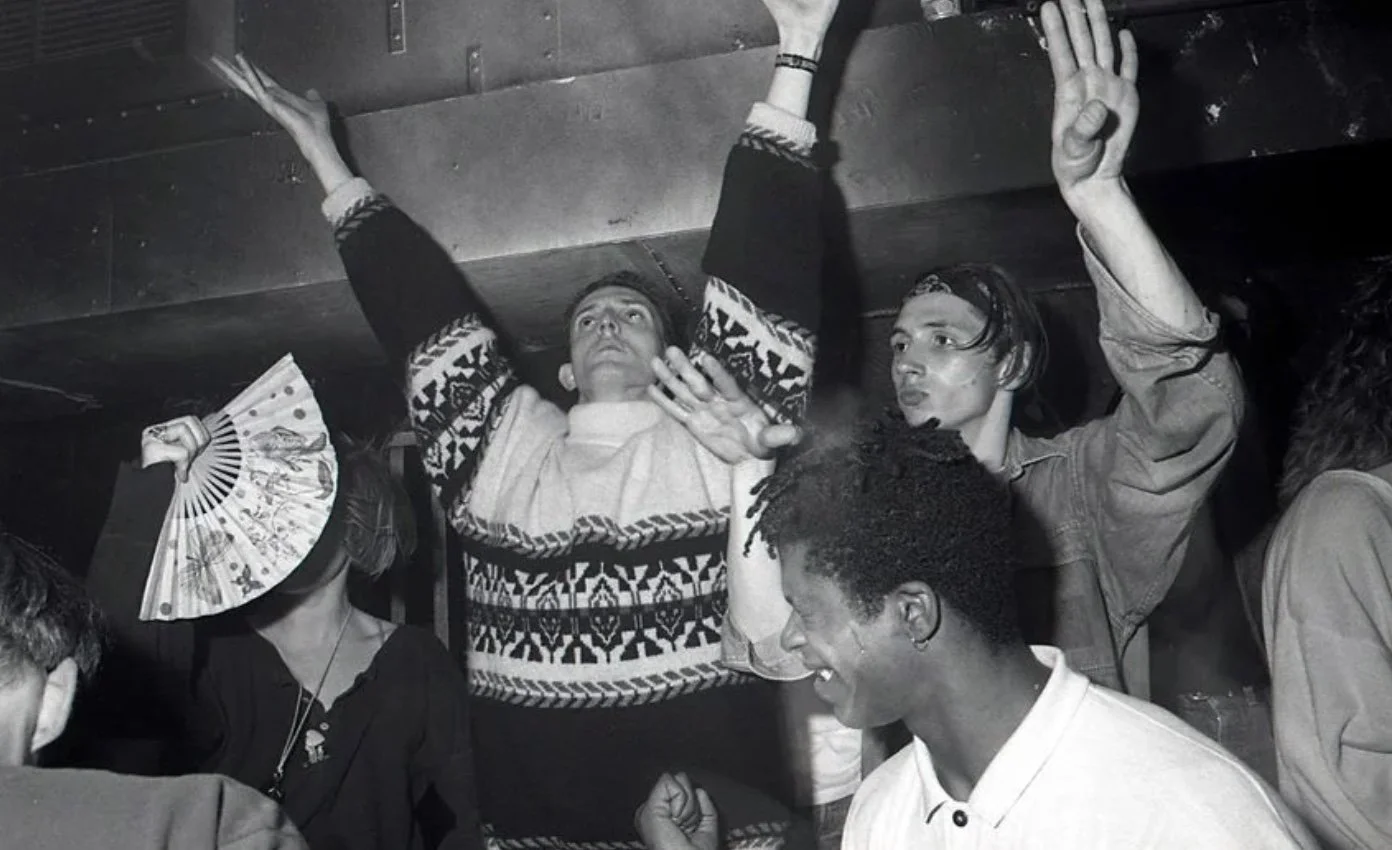
High jumpers: pills were rather strong in 1988 …
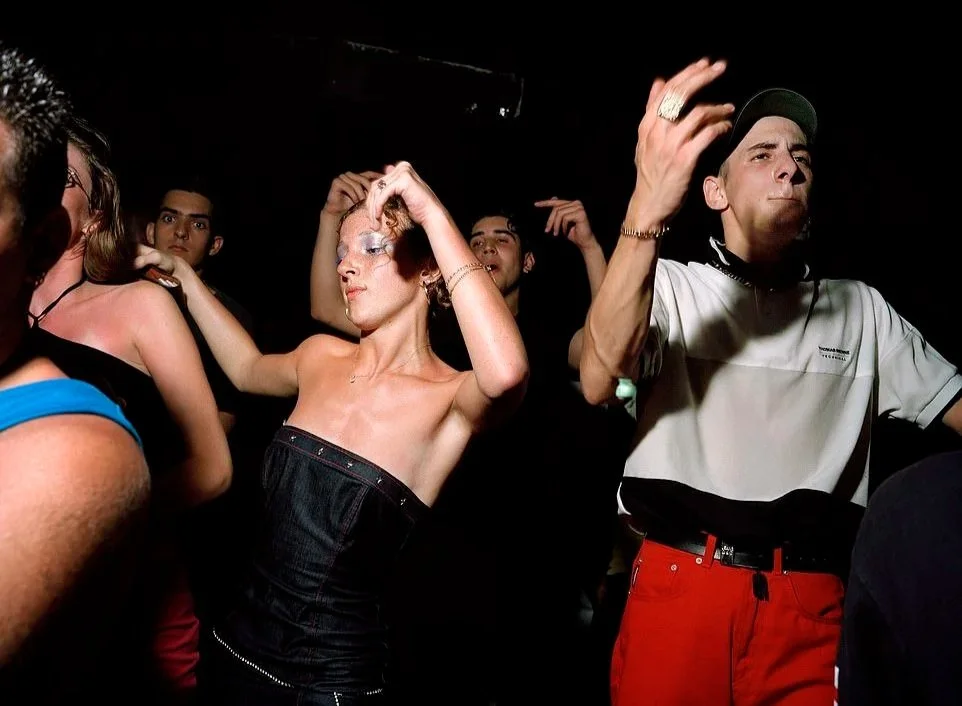
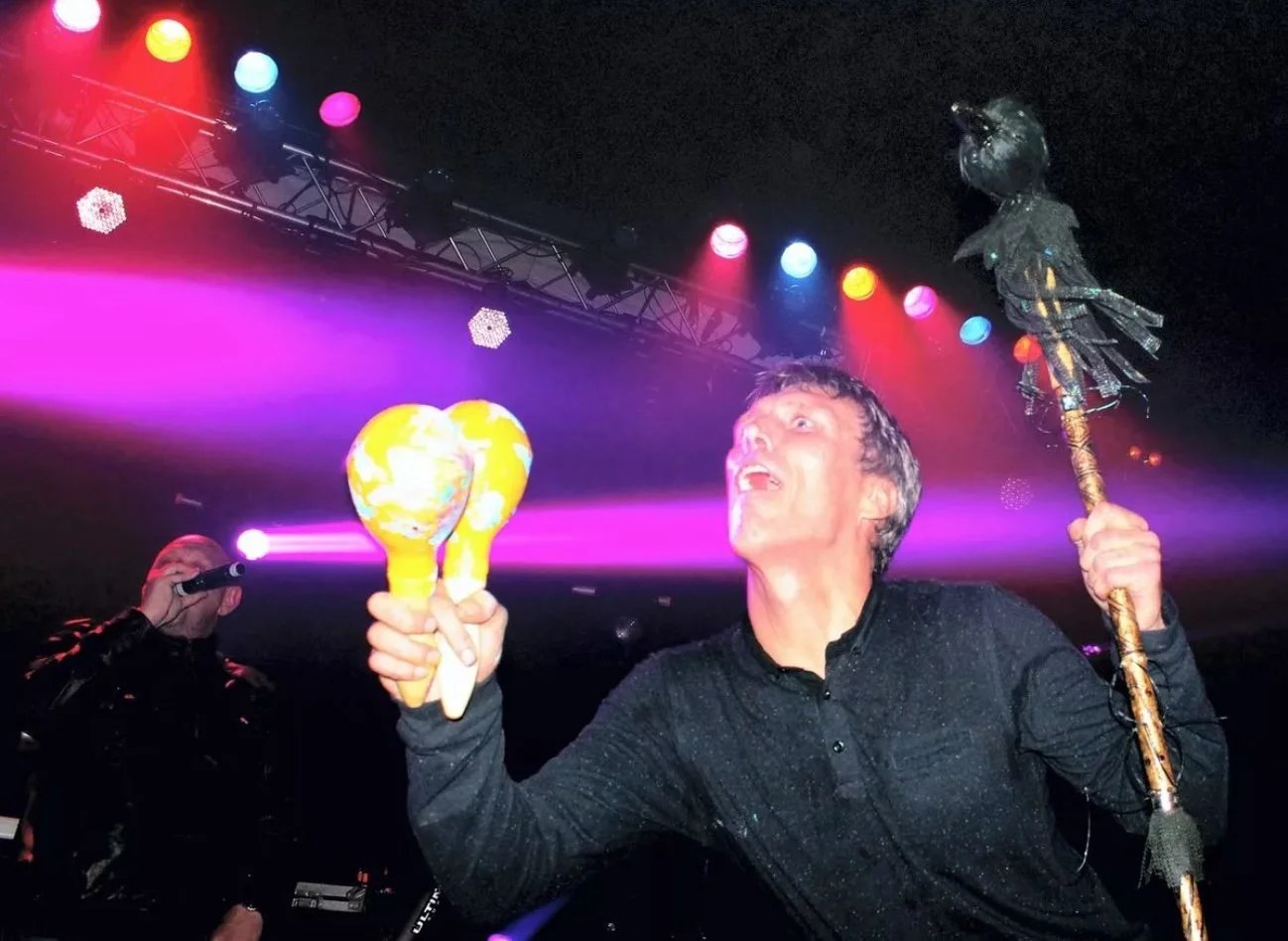
Simply the Bez
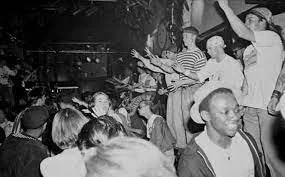
Hacienda …
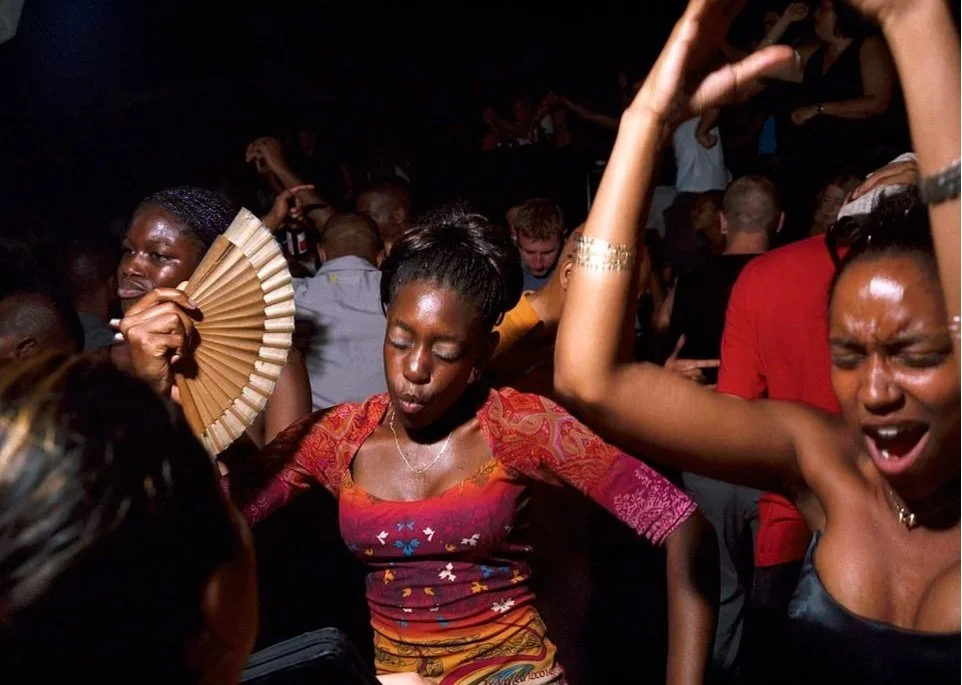
Proper fans of a good time …
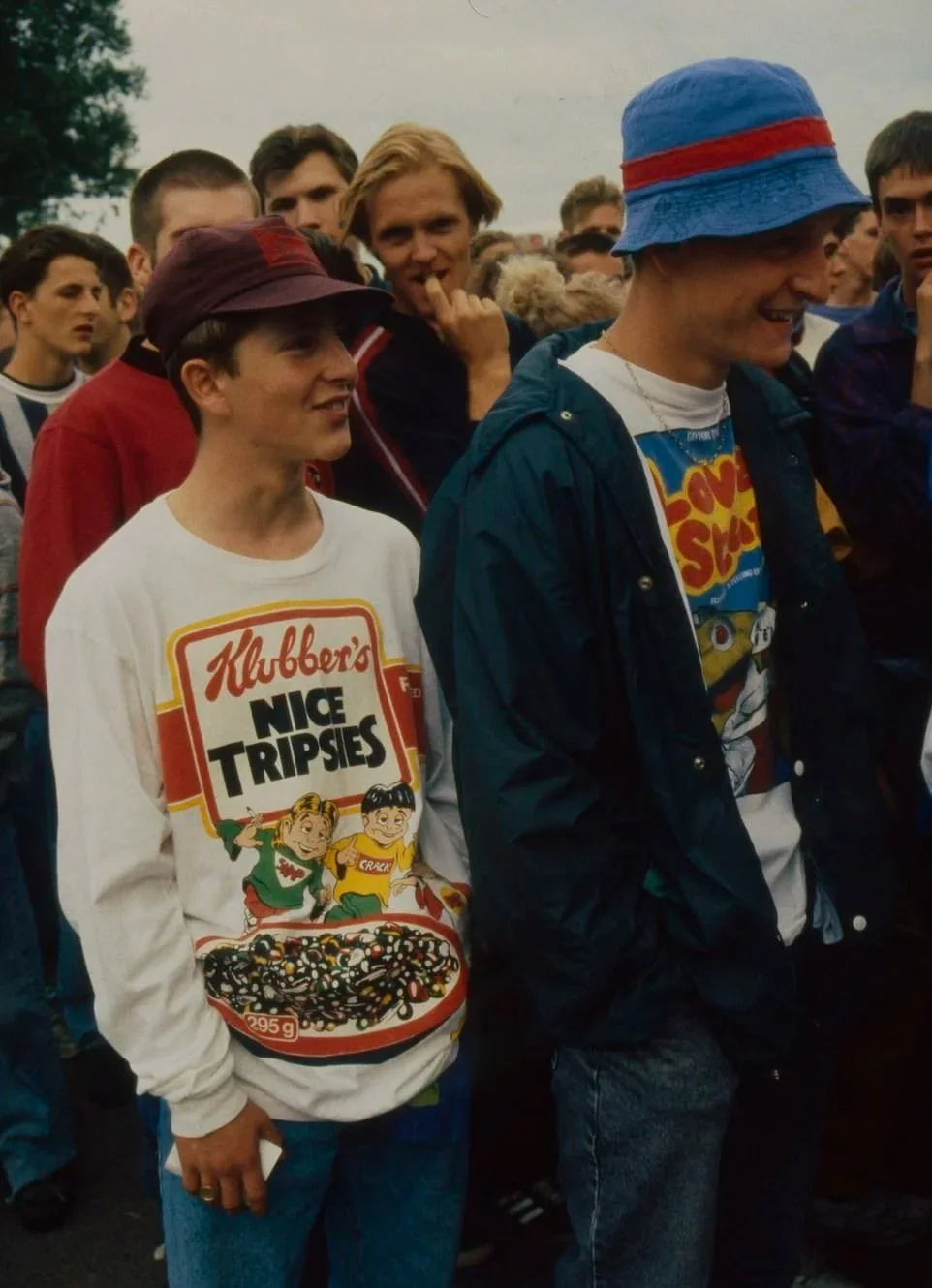
Cereal party goers …
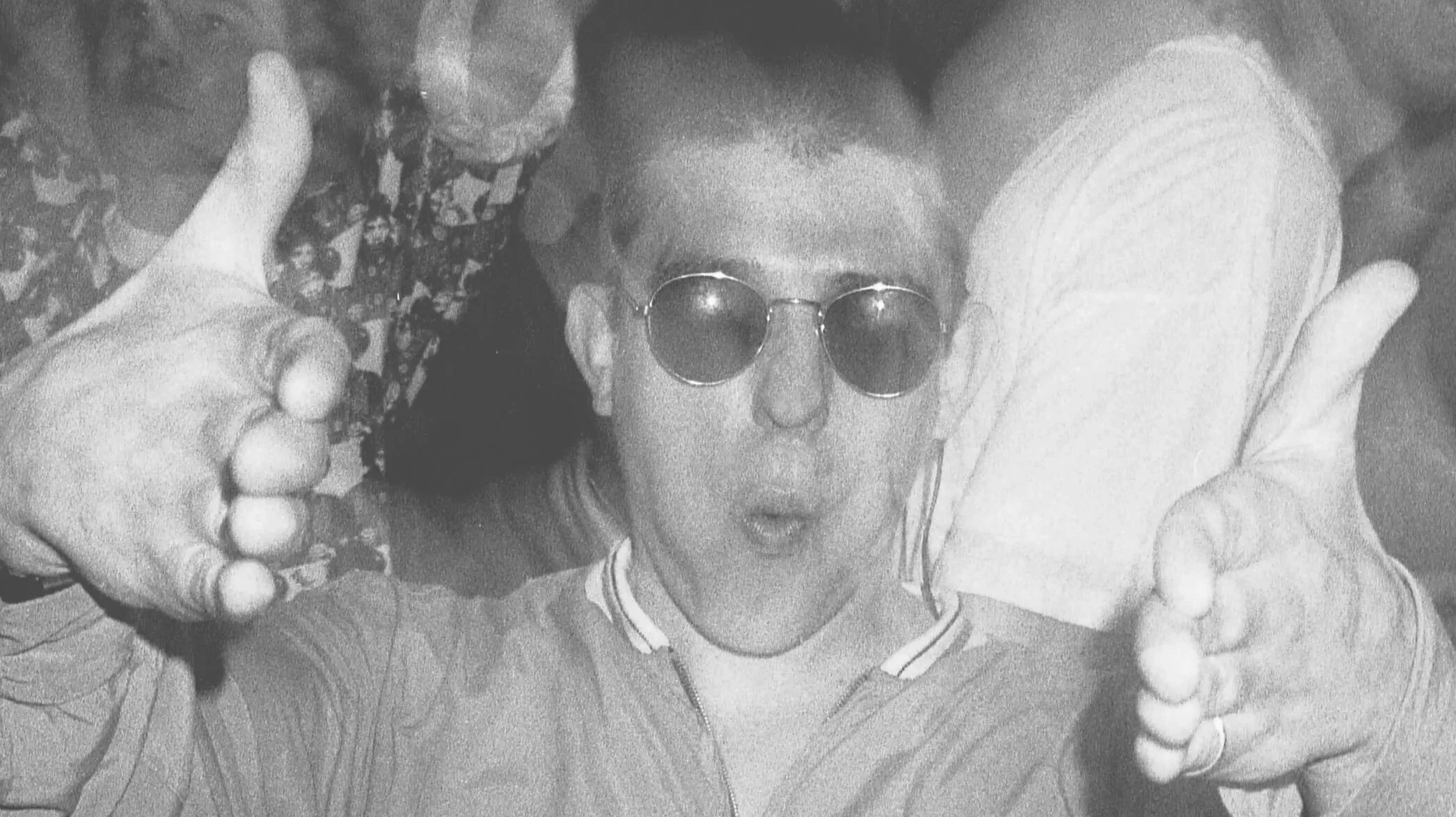
Yes, mate …
Yet there are of course other forms of ecstasy. Are some more elevated? That’s open to question. There are a few guests in the Bar keen to deal in some of their own:
“Beauty is an ecstasy; it is as simple as hunger. There is really nothing to be said about it. It is like the perfume of a rose: you can smell it and that is all,” opines Somerset Maugham.
“There is an ecstasy that marks the summit of life, and beyond which life cannot rise. And such is the paradox of living, this ecstasy comes when one is most alive, and it comes as a complete forgetfulness that one is alive,” writes Jack London, capturing that sense of losing yourself to it.
“It is through the cracks in our brains that ecstasy creeps in,” chips in Logan Pearsall Smith, enjoying this week’s craic with a hint of the chemistry.
“Occasionally in life there are those moments of unutterable fulfilment which cannot be completely explained by those symbols called words. Their meanings can only be articulated by the inaudible language of the heart,” adds Dr Martin Luther King, whose oratory skills are a form of ecstasy themselves.
“My job in this life is to give people spiritual ecstasy through music. In my concerts people cry, laugh, dance. If they climaxed spiritually, I did my job. I did it decently and honestly,” declares Carlos Santana, whose fingers certainly do the talking.
Does ecstasy, in a wider sense, require a sense of extremes? Some certainly think so.
“To burn always with this hard, gem-like flame, to maintain this ecstasy, is success in life,” says Walter Pater, hinting at pain.
“As a small child, I felt in my heart two contradictory feelings, the horror of life and the ecstasy of life,” adds Charles Baudelaire dramatically.
“Suffering is a kind of ecstasy in a way. Having pain all the time makes me terribly, terribly grateful for every moment I've got,” confesses the English classical and religious music composer John Tavener.
“Man thrives where angels would die of ecstasy and where pigs would die of disgust,” declares Kenneth Rexroth, summoning all kinds of images in the head.
John Tavener chips in again, drawing on a religious context, but also a German was a saint, composer and poet whose work is also worth investigating. “Hildegard von Bingen conveys spiritual ecstasy, if we're talking of western music. What bothers me about western music is that it doesn't have an esoteric dimension in the way the music of the East has, whether it be Byzantine chant, the music of the Sufis, or Hindu music.”
So then are many forms of ecstasy outside the western canon to explore.
But how to look at the bigger picture? “Art and religion are, then, two roads by which men escape from circumstance to ecstasy,” summarises Clive Bell.
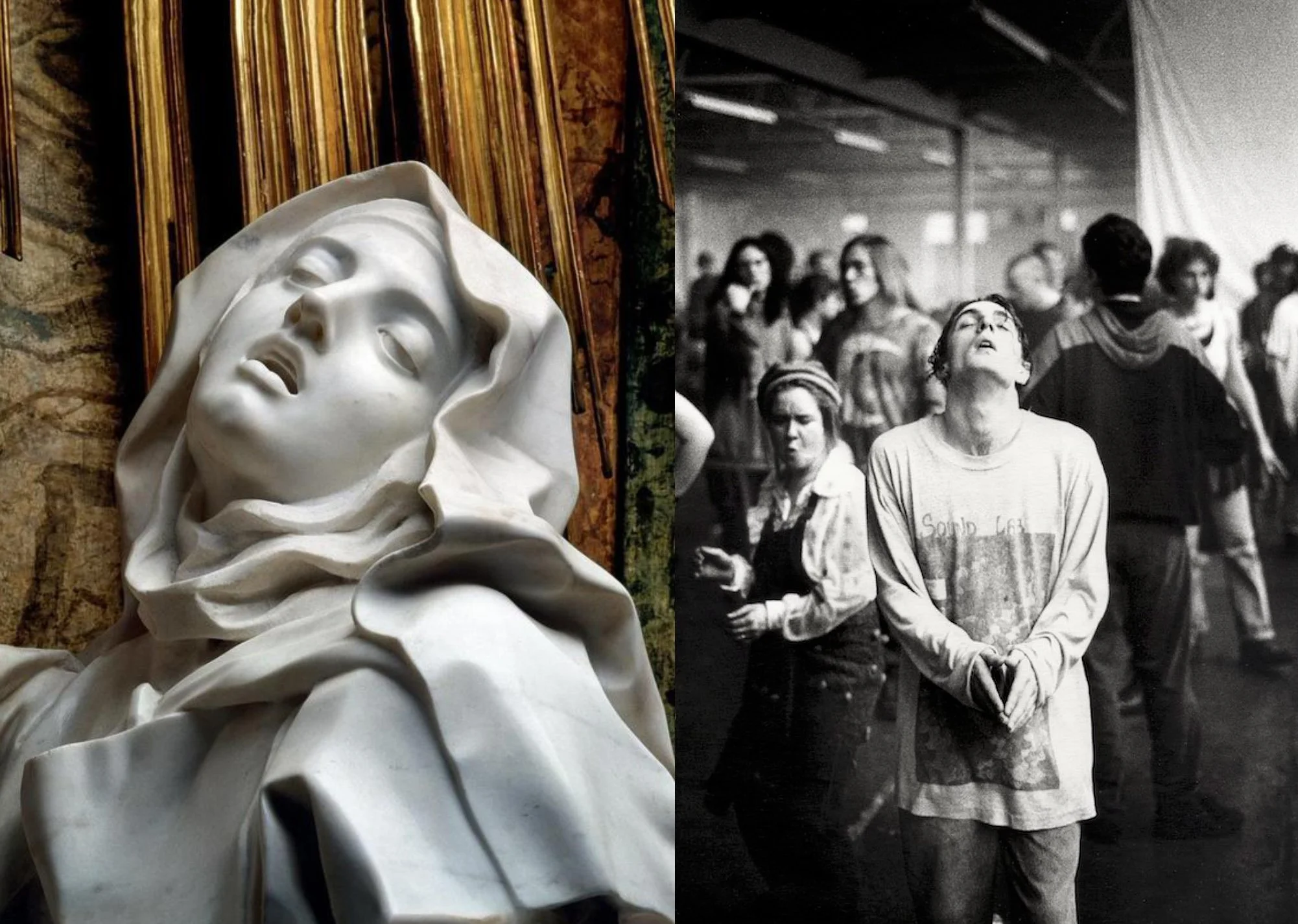
Which brings us back to that sculpture by Gian Lorenzo Bernini in 1652, in the Cornaro Chapel of the church of Santa Maria della Vittoria in Rome, which depicts an angel with Saint Teresa of Avila, the Spanish nun of the 16th century whose sense of mystical religious ecstasy seemed to manifest something sexual in form, describing in her autobiography, The Life of Teresa of Jesus, her encounter with an angel as penetrative: “I saw in his hand a long spear of gold, and at the iron's point there seemed to be a little fire. He appeared to me to be thrusting it at times into my heart, and to pierce my very entrails; when he drew it out, he seemed to draw them out also, and to leave me all on fire with a great love of God.” Ooh er, Teresa! On the stature, shown in detail above, the look on her face draws a certain parallel with other scenes associated with … ecstasy.
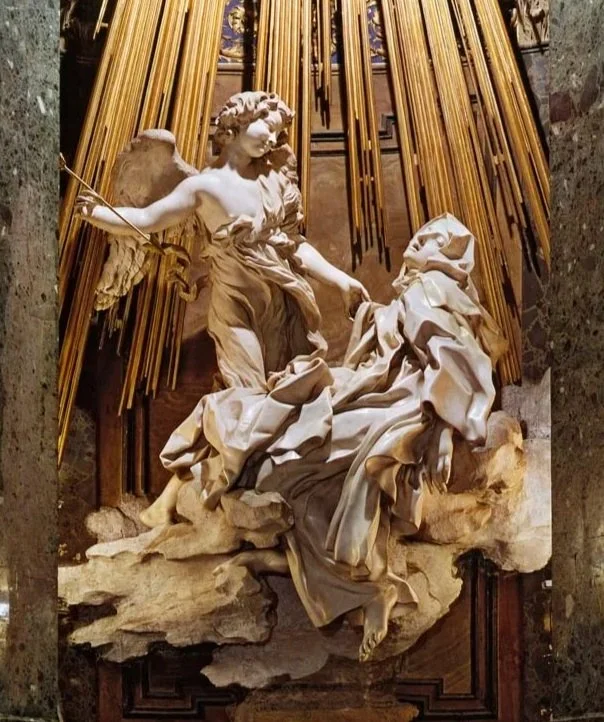
The full sculpture of The Ecstasy of St. Teresa by Gian Lorenzo Bernini, at the Cornaro Chapel of the church of Santa Maria della Vittoria in Rome
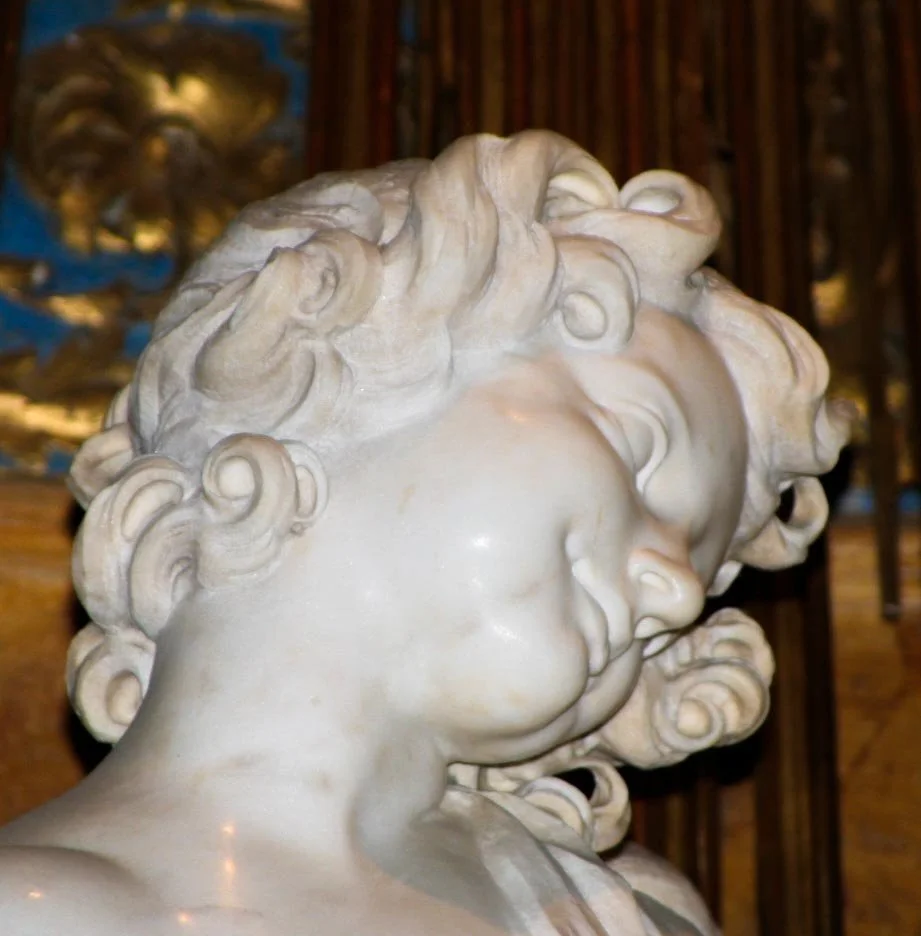
As well as Theresa, the angel is in a state of some enjoyment …
And on that front, let’s ‘finish’ with a controversial at the time scene from the Czech film Ecstasy (Ekstase) (1933) directed by Gustav Machatý, starring Hedy Lamarr, who was just 17 at the time. It speaks for itself.
So then, who is going to help bring us up to a state of ecstasy in the DJ booth or other high place of our hallowed Bar? This week it’s the marvellous MussoliniHeadkick! Place your ecstatic songs, or songs about ecstasy in comments below, for deadline at 11pm on Monday and playlist published next week. Together let’s take it higher.
New to comment? It is quick and easy. You just need to login to Disqus once. All is explained in About/FAQs ...
Fancy a turn behind the pumps at The Song Bar? Care to choose a playlist from songs nominated and write something about it? Then feel free to contact The Song Bar here, or try the usual email address. Also please follow us social media: Song Bar X, Song Bar Facebook. Song Bar YouTube, and Song Bar Instagram. Please subscribe, follow and share.
Song Bar is non-profit and is simply about sharing great music. We don’t do clickbait or advertisements. Please make any donation to help keep the Bar running.