
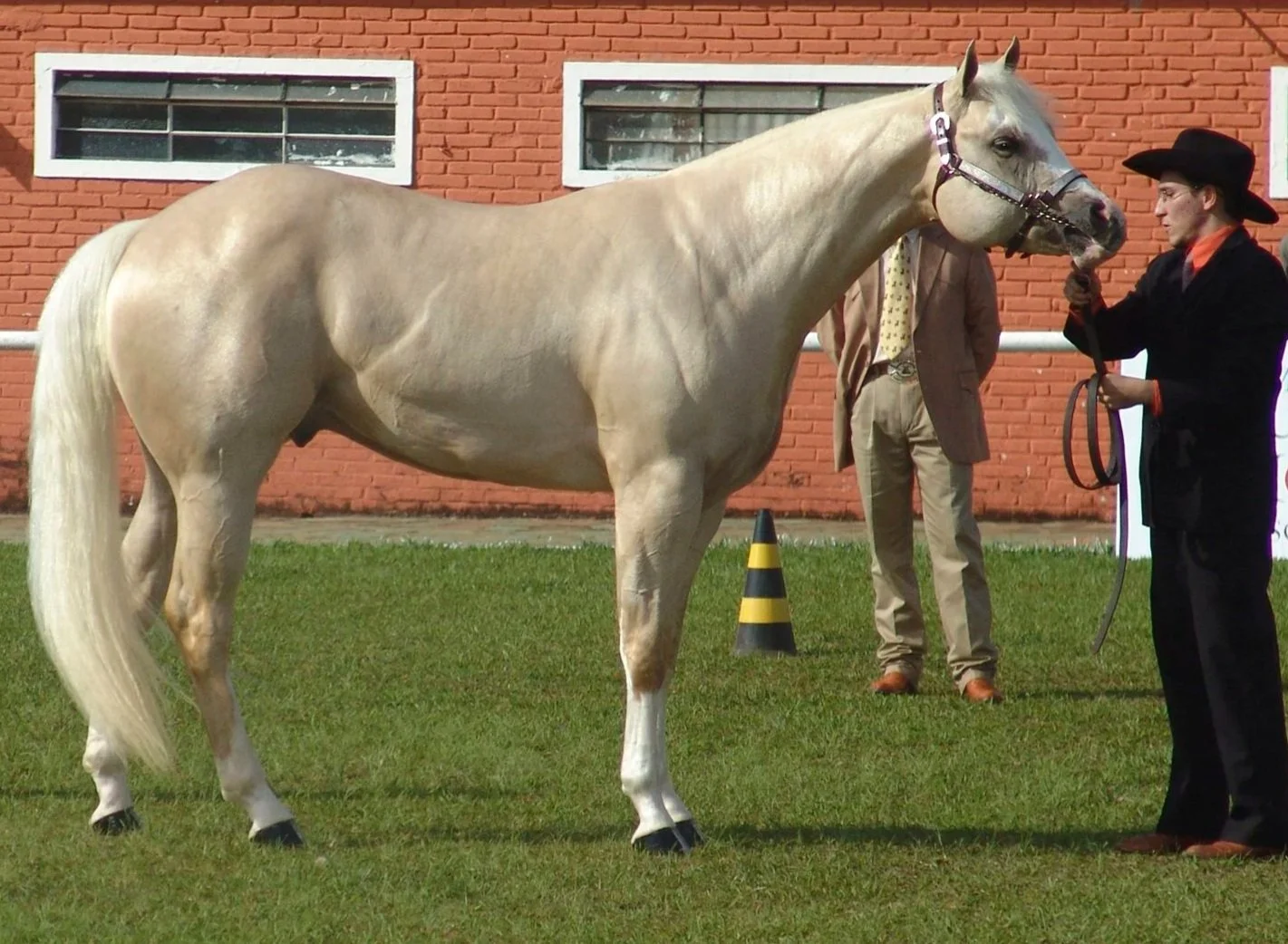
Regularly found on the feathers of birds of the flanks of horses, this is a common, if subtle, pale greyish-yellow colour, thought to rather shadily take its name from Isabella Clara Eugenia, the daughter of King Philip II of Spain from the early 17th century with a shoddy story ending. While this member of the member of the royal family no doubt wore fine and expensive garments, the tale goes a bit awry. Together with her husband Archduke Albert VII of Austria, Isabella ruled the Spanish Netherlands in the early 1600s. But when the city of Ostend (in modern-day Belgium) was besieged in 1601, to show how quickly she presumed her husband and his army could end the standoff, Isabella reportedly refused to change her undergarments until the siege was over. Unfortunately for her, her confidence became frayed (as no doubt did the garments), as the siege went on to last for another three years, so by the time Ostend finally surrendered to the Spanish and Isabella changed her underwear, they were no fresh or pale, and almost certainly a noticeable shade of yellowish … isabelline. Any clothing surviving that long, especially if still preserved today is also likely to have gone that way.
Nevertheless the colour still had friends in high places. The inventory of Elizabeth I of England's wardrobe included "one rounde gowne of Isabella-colour satten ... set with silver spangles. Spreading its wings, as it were, term was first used in the journal Ibis in 1859 by Henry Baker Tristram to describe the common colour of the upper plumage in the birds of Northern Africa such as the shrike:
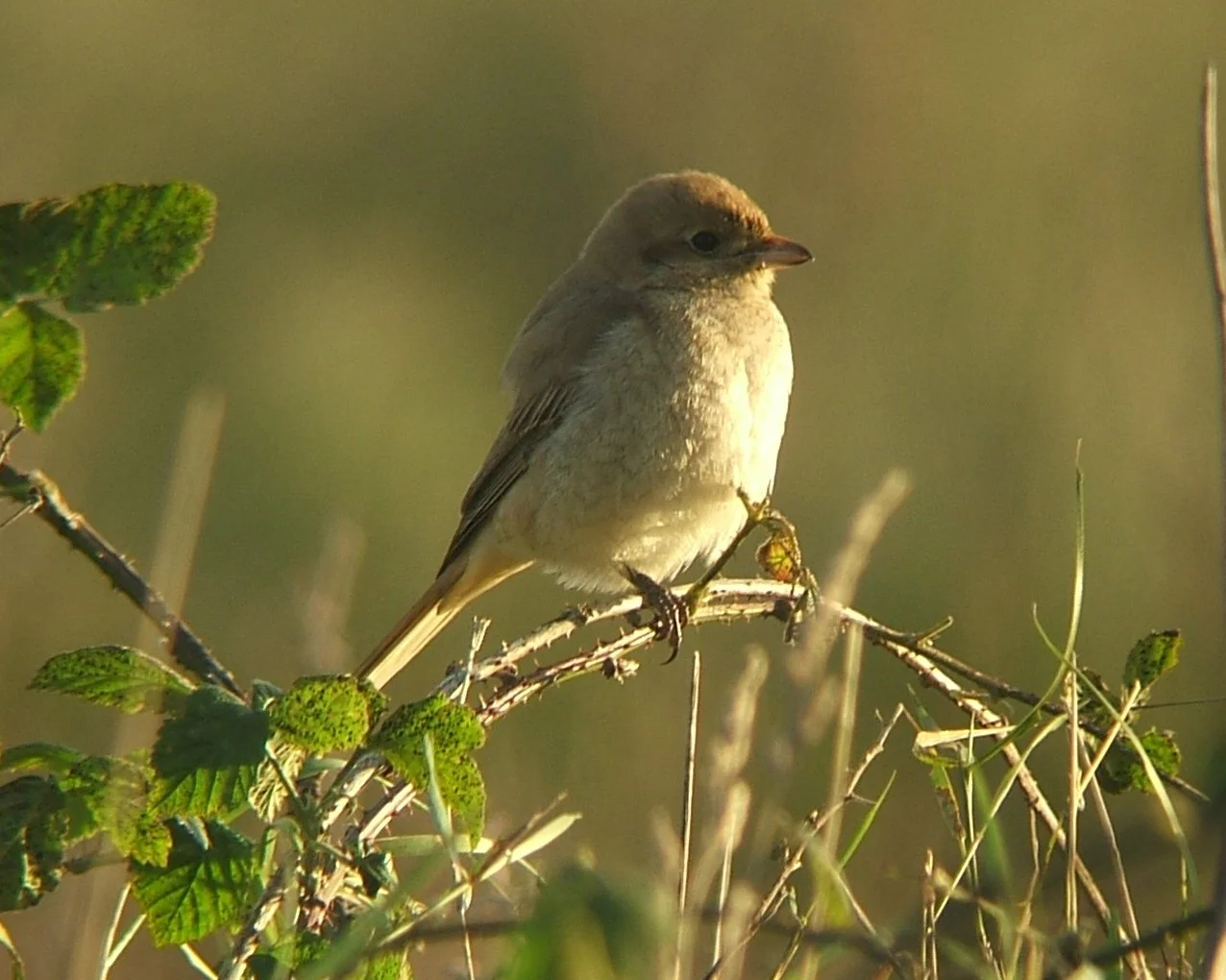
Isabelline shrike
Talking of Africa, a parallel idea of isabelline’s etymology is that it comes from a distortion of zibellino (a sable pelt accessory), coming into fashion around the same time. Etymologist Michael Quinion reported that certain sources suggested an alleged Arabic word for lion, izah, might be the origin, indicating an intended original meaning close to "lion-coloured”.
The word can in parallel refer to a style of architecture known as Isabelline style, also called the Isabelline Gothic (in Spanish, Gótico Isabelino), or Castilian late Gothic, was the dominant style of the Crown of Castile during the reign of the Catholic Monarchs, Queen Isabella I of Castile and King Ferdinand II of Aragon in the late-15th century to early-16th century. The Frenchman Émile Bertaux named the style after Queen Isabella. Here is an example an ornate building, also of that pale yellow stone colour.
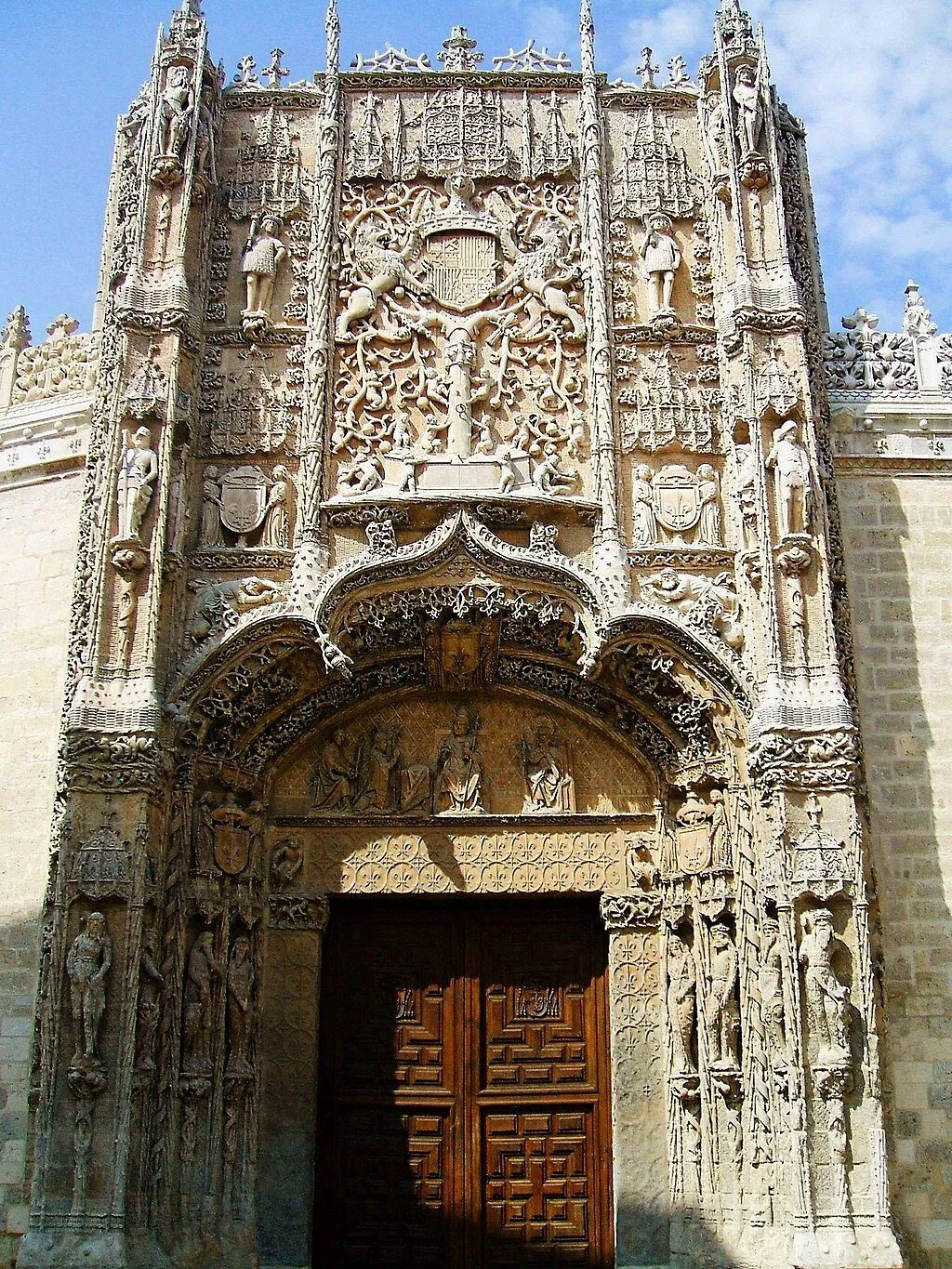
Facade of the Colegio de San Gregorio, Valladolid
But what of the isabelline colour and mood captured in song? Here’s a short, experimental, mainly piano-based, relaxing, instrumental collection from lesser known artists Sweet Embrace, Aquilus, Idony Randal, Kenny Mac and John Zdrortist:
So then, any more isabelline-related music fill in the blanks? Feel free also to share anything more in relation to it, whether in music or wider culture, such as from film, art, or other contexts, in comments below.
You can also get in touch the contact page, and also visit us on social media: Song Bar X, Song Bar Facebook. Song Bar YouTube. and Song Bar Instagram. Please subscribe, follow and share. New to comment? It is quick and easy. You just need to login to Disqus once. All is explained in About/FAQs ...
Song Bar is non-profit and is simply about sharing great music. We don’t do clickbait or advertisements. Please make any donation to help keep the Bar running: