
By The Landlord
“I have always wanted my colours to sing.” – Paul Delvaux
The sound of colours is so definite that it would be hard to find anyone who would express bright yellow with bass notes or dark lake with treble … just as a violin can give warm shades of tone, so yellow has shades, which can be expressed by various instruments.” – Wassily Kandinsky
“I try to apply colours like words that shape poems, like notes that shape music.” – Joan Miro
“Colours speak all languages.” – Joseph Addison
“Colour which, like music, is a matter of vibrations, reaches what is most general and therefore most indefinable in nature: its inner power.” – Paul Gauguin
“Colour, rather than shape, is more closely related to emotion.” – David Katz
“As music is the poetry of sound, so is painting the poetry of sight … Someday we shall control the full orchestra.” – James Whistler
“I am crazy about carmine and cobalt. Cobalt is a divine. There is nothing so beautiful for creating atmosphere. Carmine is as warm and lively as wine…” – Vincent Van Gogh
"The key of D is daffodil yellow, B major is maroon, and B flat is blue," said the British jazz pianist Marian McPartland, the British-American jazz pianist and composer (1918-2013). But what about alabaster, almond or amaranth, to zarqua, zinc or zomp? And did you know that rhythm is also a blue-grey colour?
This might sound like the aftermath of a pretentious, colour menu-clutching visit to Farrow & Ball, Little Green, or other posh paint suppliers, or falling into a giant fantasy box of Binney & Smith Crayola crayons, but there's really a different palette that goes with word and sound to be enjoyed here in our Bar.
Over the years here we've covered lyrical song themes around pretty much all the main colours across the spectrum – reds, yellows, magentas, pinks, oranges, blues, greens, purples (indigos, violets), the rainbow separately, as well as grey, black and white. But this week it's time to go a shade different and play another tone, enjoying some of the lesser known words and terms for colours that bring a newer hue to colour in song lyrics.
So casting aside the standard RGBs, the first rule is to avoid all the common names for colours, instead to find songs featuring the more poetic, strange and obscure, and display them up on your sonic wall of lyrical aesthetic for mutual enjoyment and comparison.The words may be in titles, but beautiful, odd, vivid and memorable lyrics quoted will be even more welcome with an explanation. Naturally many colour words may also refer to flowers, plants, fruit, animals, jewels, minerals or other natural phenomena, but the song needs to refer to the colour, not just the thing - so for example, the use of olive must mean that shade, not the food.
So might we look back in umber, or enjoy a splash of emperor egg-yellow mikado? Descend to absolute zero, take acid, enjoy crumbs of biscuit with your tea, see celeste, visit a dingy dungeon or get into dirt, or go earthy with ecru, dance in vibrant purplish-red fandango, bathe in heat wave or honeydew? Look closely at inchworm, or jonquil, go livid, go mad in metallic, reach midnight, turn neon, ochre, phlox, quincy, reach for razzamatazz, catch salmon, meet some temptress, taupe, urobilin, vermilion, wheaten, wenge, xanadu, yinmn or zinzolin?
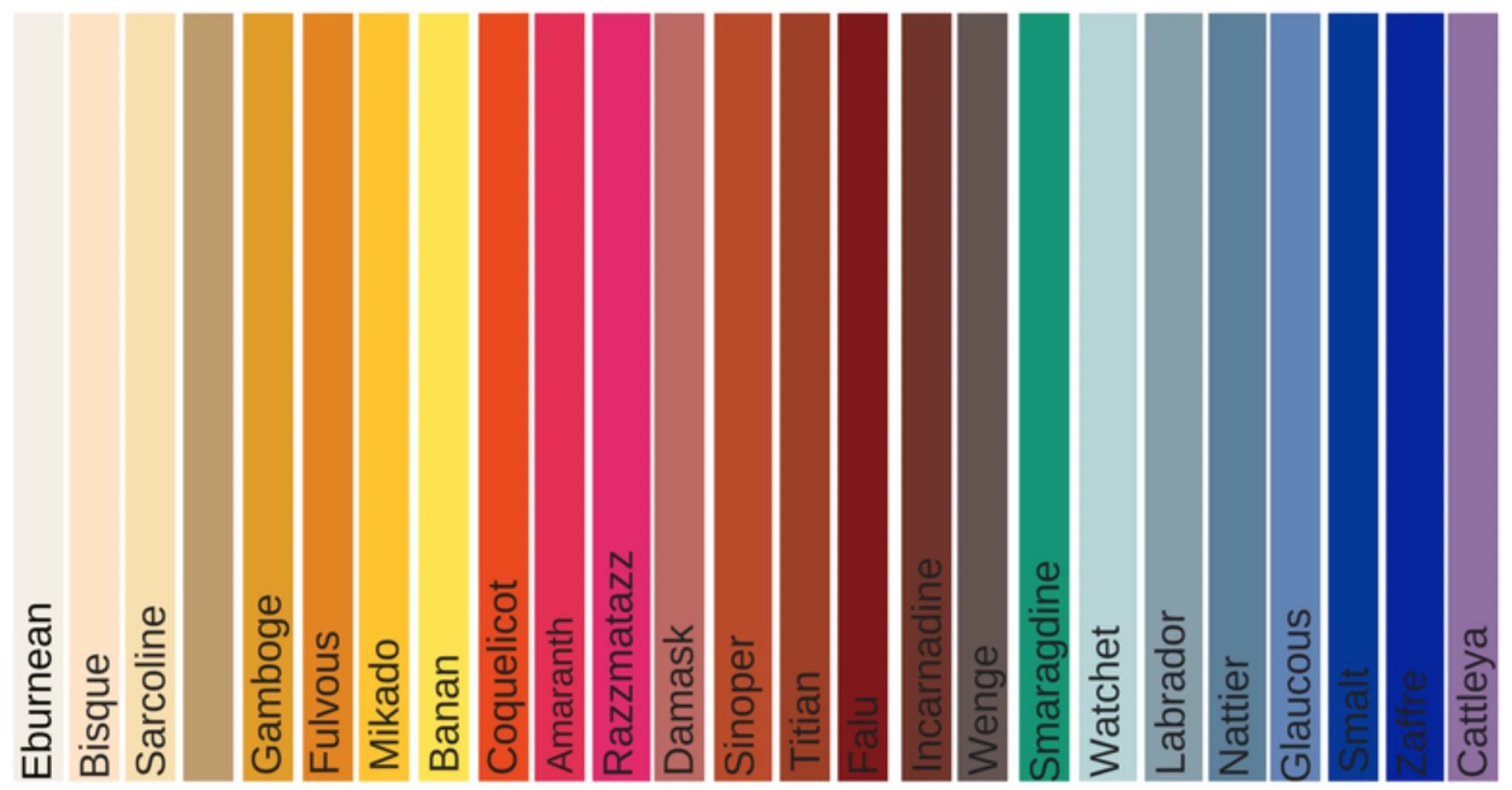
A few more …
This is a mere taste of a huge spectrum. The aim is to enjoy the images that such terms, and many others, generate in your imagination, and, if you experience or find songs relating to colour-sound synaesthesia, as some musicians do, express that too.
Words, in vowel, consonant and rhythm, are musical in themselves, and as well as those listed above, here with more in a short alphabetical rundown that have also caught my eyes, and ears and imagination, also sparking all sorts of senses - smells and tastes, due to their history, sparking also many associations and stories. One glance at a colour transmits a universe of meaning.
Amaranth
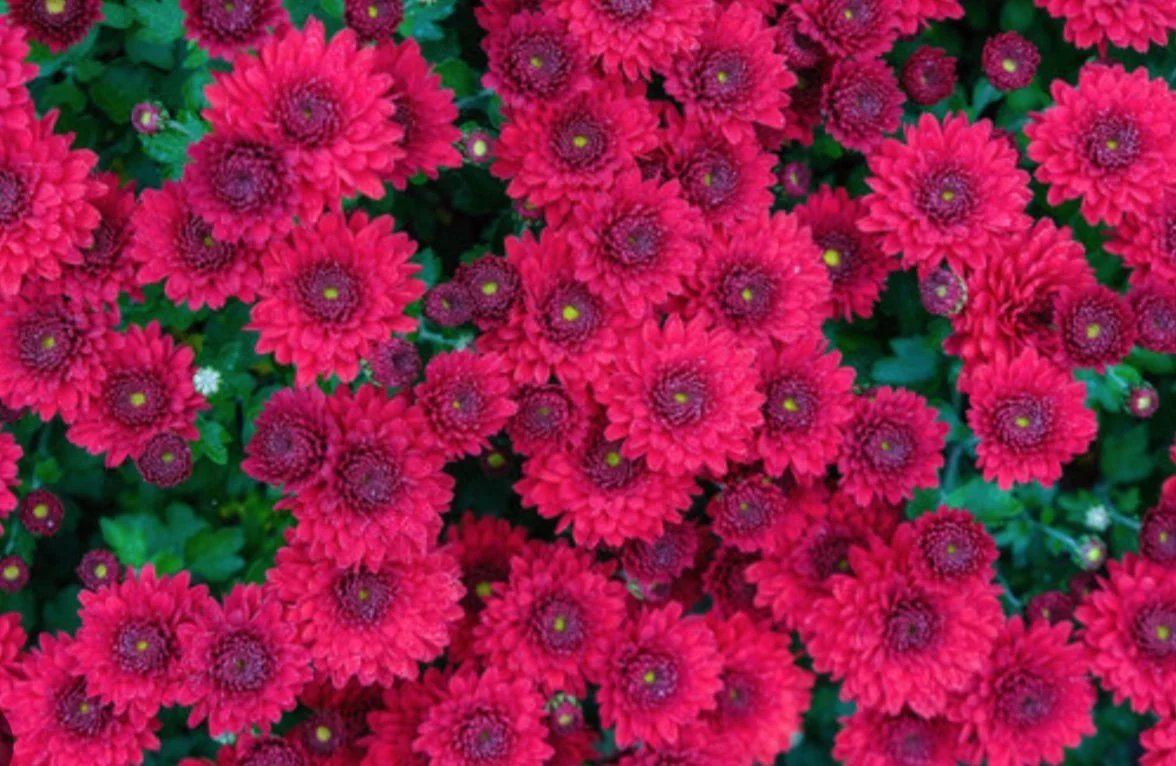
Firstly, then, more on amaranth. In Greek mythology it's the blossom of an everlasting flower growing on Mount Olympus with reddish-pink hue, thought to be a gloom that can never die.
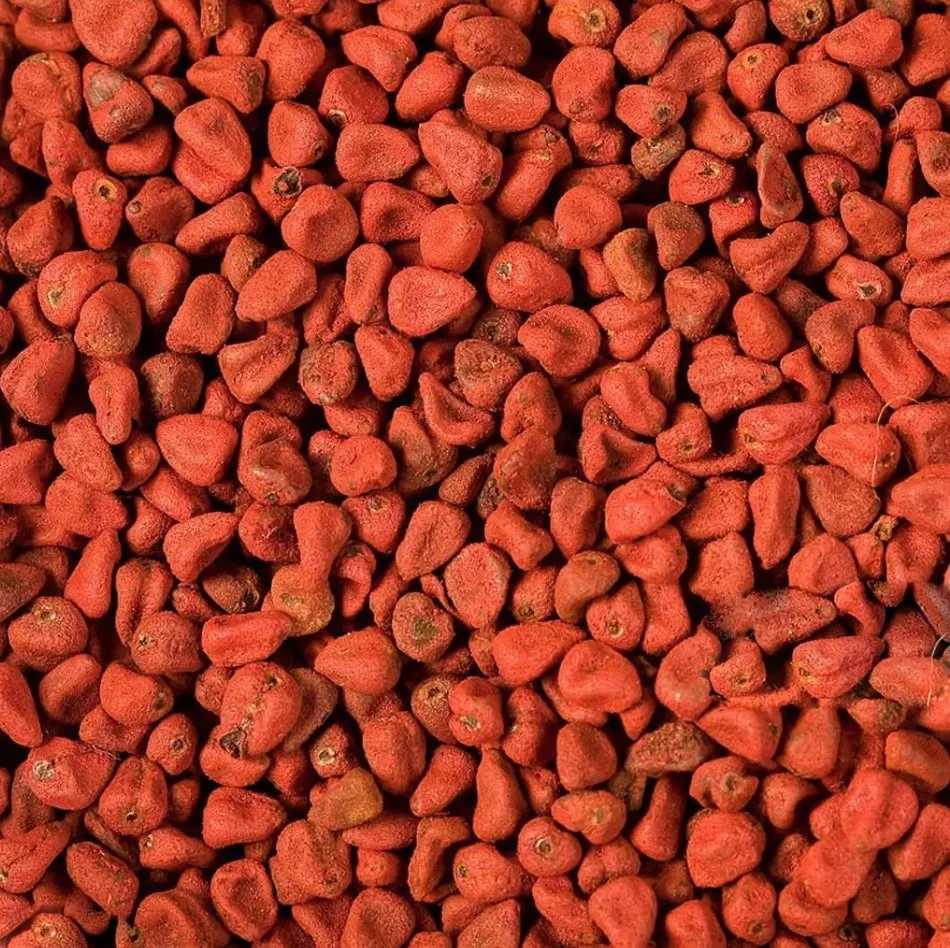
Annatto is a yellowish-red made from a pulp enclosing the seeds of the tree of the same name. This tree is also sometimes called the lipstick tree, and its dye is still used today to colour cosmetics, butter, and cheese.
Annatto
Bistre is the name of a pigment historically made from the soot of a beechwood tree, a deep brown with yellow undertones. It is thought to bring great depth within your living room.
Celadon is a green minty shade named after an ancient type of Chinese porcelain and glaze, with a jade hue to the iron in the raw materials used in pottery thousands of years old.
Cerulean, with a beautiful sound is a deep sky or azure blue from the Latin caeruleus.
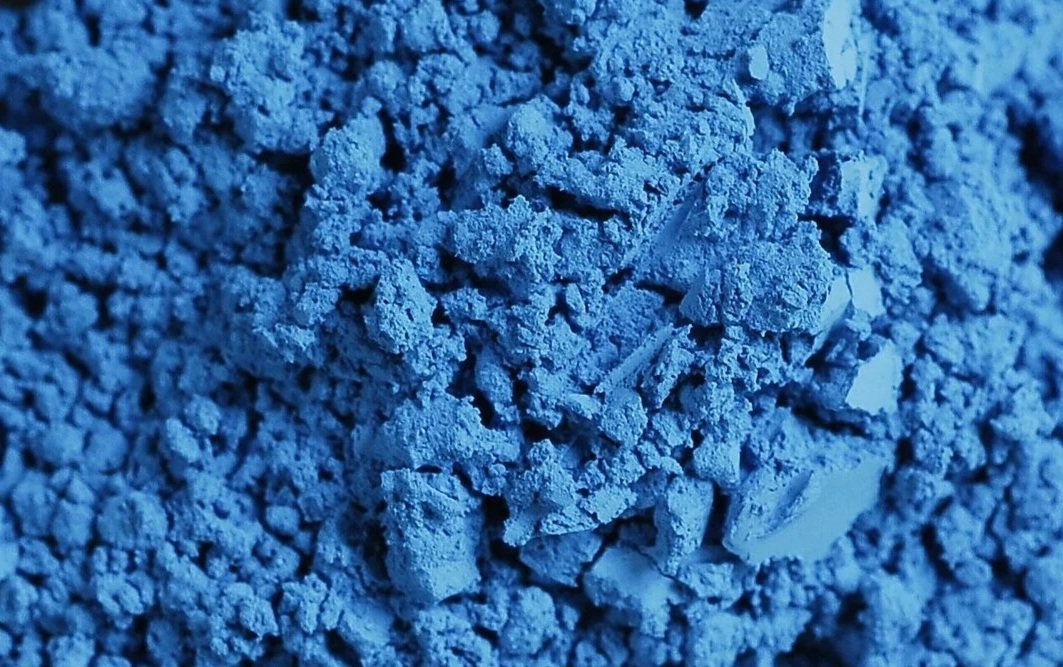
Cerulean
Cinnabar - a tasty, spicy red-orange shade is named after the mineral of the same name, but is also toxic and used in all kinds of industries.
Citrine is also the name of a golden yellow gemstone with tones of green, believed to symbolize wealth and prosperity. Citreous, associated with lemons and limes, meanwhile is more lemon yellow or greenish-yellow. Are your taste buds tingling?
Coquelicot means “wild corn poppy” in old French, the flower's vibrant red-orange, linked of course, to remembrance.
Eburnean - a fancy alternative to ivory coloured, but also more subtle.
Falu is a crimson pigment which originates from the Swedish city of Falun and is made from copper-mining byproducts and is frequently used to paint wooden barns and cottages in Estonia, Finland, Norway, and Sweden.
Fulvous is similar to brown-yellow, a tone of tawny or butterscotch. Commonly found on birds, plants, mammals, and fungi, it actually gets its name from the fulvous whistling duck.
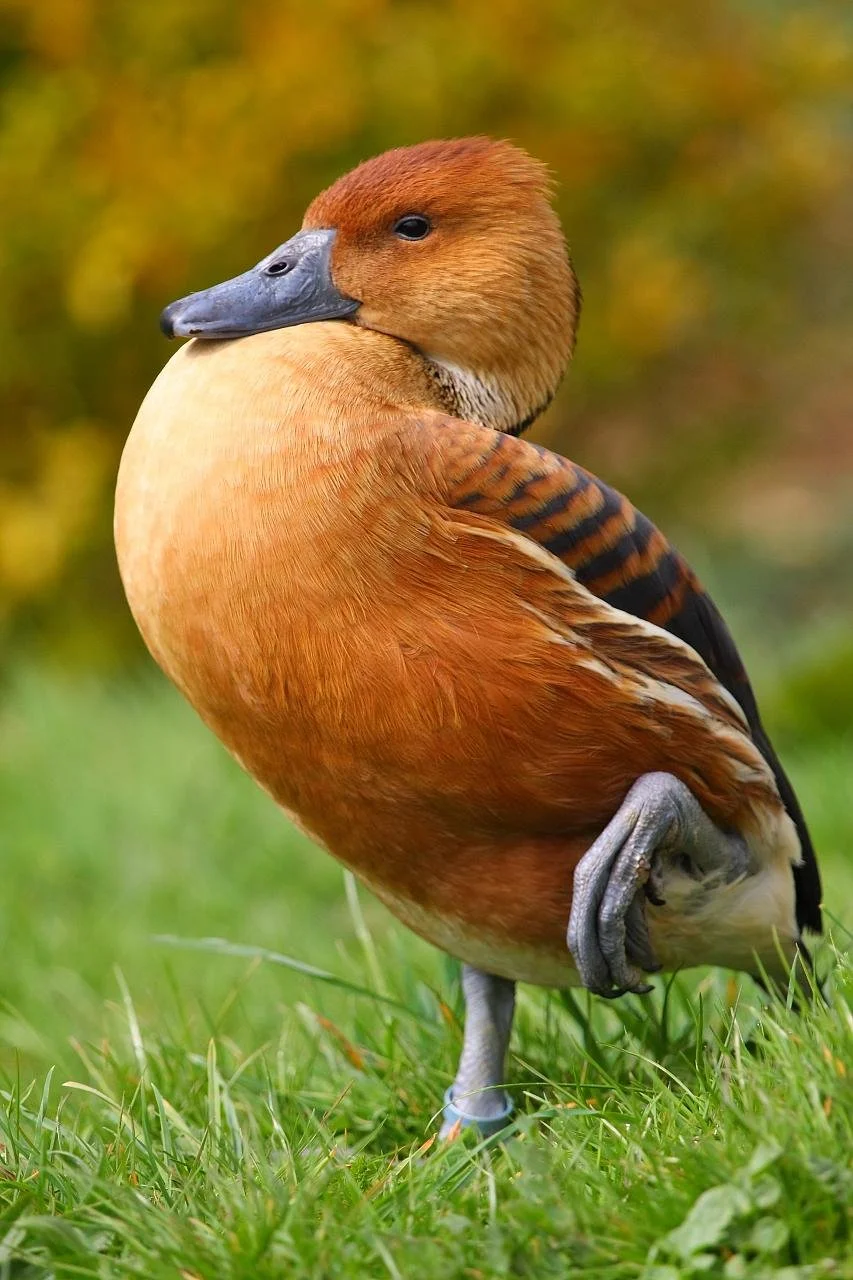
Fulvous whistling duck
Gamboge is an orange-brown hue reminiscent of mustard or deep saffron. You'll recognised it as the traditional dye for Buddhist monks’ robes. Gorgeously autumnal, a sort of marigold and a colour of sunsets. It's originally named from the gum resin that comes from a type of tree native to Cambodia. Gamboge comes from Modern Latin cambogium, which is the Latin version for Cambodia.
Glaucous is a foggy, pale grey-blue, also referring to the powdery coating on plums and grapes. Very subtle.
Greige - a warm beige colour with grey undertones. Sounds like a pretentious modern invention, but it's been around since 1925, from the French grège, meaning “raw,” which was used to describe silk.
Heliotrope is an exciting pink-purple, reddish lavender named after the heliotropium flower. The plants turn their leaves to the sun, hence their name, which can be traced to the Greek god Helios, or “sun.” It's bright and vibrant, but perhaps wise not to look too much at it, or overuse it.
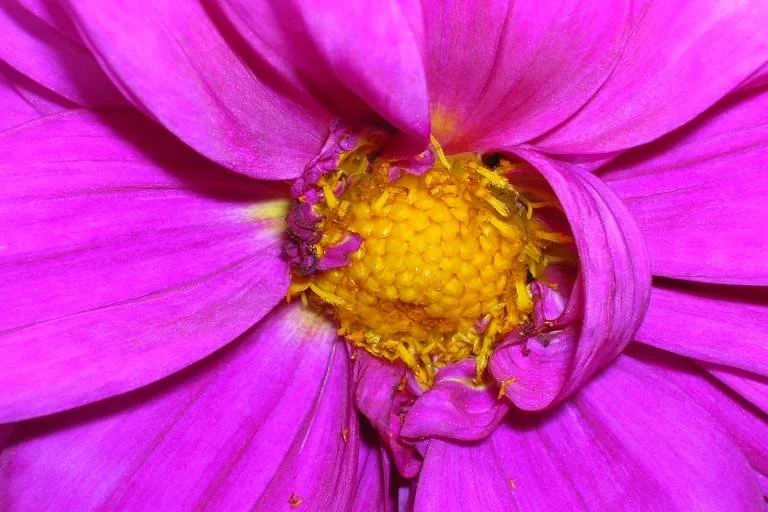
Vibrant heliotropium petals
Lovat means a greyish blend of colours, especially of green, used in textiles. First recorded between 1905 and 1910, likely named after Thomas Alexander Fraser, also known as Lord Lovat, who helped popularize tweeds in muted huges as attire for hunters. Get off my land!
Mazarine - a deep, rich blue in textiles and ceramics. The word first entered English between 1665 to 1675, possibly named after the Italian Cardinal Mazarin.
Ponceau is a sunset vivid reddish-orange also associated with popies, from the Old French pouncel.
Puce - perhaps the ugliest of names, is actually pleasant, pale pink hue with brown and purple undertones, and but less attractively so, is named after the French word for flea, not so much the insect, but the bloodstain that is left after a flea has been smashed. Like many of the colours listed here, it's been around in English for a long time, this one since the 1780s.
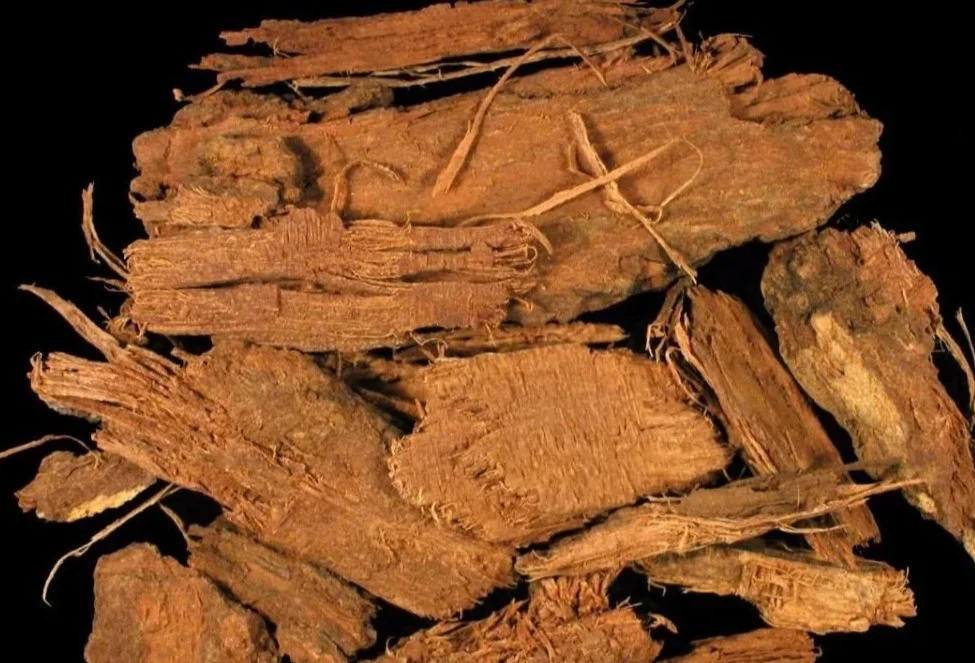
Quercitron
Quercitron sounds like a shape-shifting destructive car-robot, but is more gently shade of yellow, named for the yellow dye produced by the bark of an oak tree that’s native to eastern North America.
Sable is is a handy alternative word for black, or at least meaning something very dark or black like the fur of that Old World weasel-like mammal and entered the English language in the late 1200s or early 1300s.
Sarcoline is a peachy, yellow-beige is a warm but not garish hue, a low-key accompaniment colour.
Sepia, as we all know, is your classic old photo filter colour in olive or grey-brown. It's from the Latin sēpia, from which this word originates, means cuttlefish.
Skobeloff is a stylish, dark, muted cyan or rich teal, strangely relaxing hue that resembles deep coastal waters, but oddly is named after Russian General Mikhail Skobelev, who liked it as his military uniform colour.
Smaragdine sounds like a Tolkein character, but it's a rather fetching emerald, from another gemstone, the smaragdus, with a rich history in English since the 14th century
Viridian is a rich blue-green pigment which gets its name from the Latin word for green, viridis, which just means green” It's the colour of my living room. Well, that's what I'm claiming anyway.
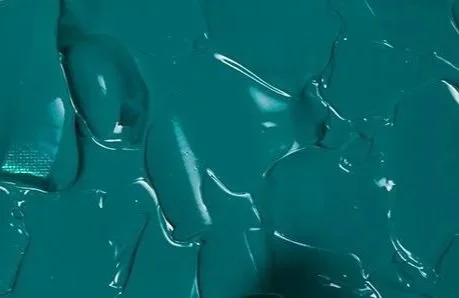
Viridian
That's enough from my personal palette. What about yours? Feast your eyes and ears, and paint your musical imagination with suggestions of obscure lyrical colours below. Who is leading this particular art class and colour orchestra? It’s the globally popular Loud Atlas! Deadline for nominations is 11pm UK time on Monday for playlists published next week.

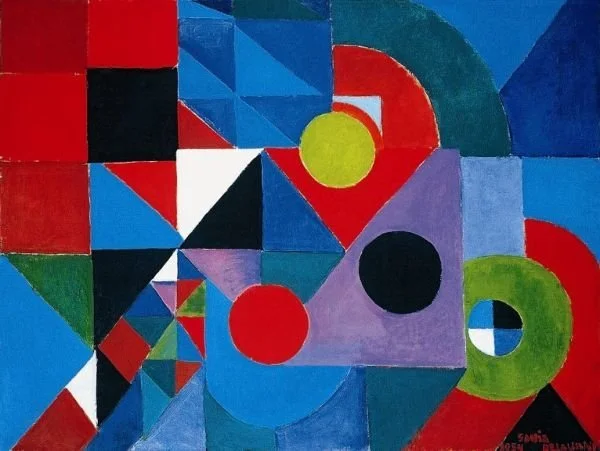
Rhythm Colour by Sonia Delaunay
New to comment? It is quick and easy. You just need to login to Disqus once. All is explained in About/FAQs ...
Fancy a turn behind the pumps at The Song Bar? Care to choose a playlist from songs nominated and write something about it? Then feel free to contact The Song Bar here, or try the usual email address. Also please follow us social media: Song Bar X, Song Bar Facebook. Song Bar YouTube, and Song Bar Instagram. Please subscribe, follow and share.
Song Bar is non-profit and is simply about sharing great music. We don’t do clickbait or advertisements. Please make any donation to help keep the Bar running.