By The Landlord
“He, as he told his tale, did not look her in the face, but sat with his eyes fixed upon her muff.” – Anthony Trollope, The Last Chronicle of Barset
“By my life, this is my lady’s hand: these be her very C’s,her U’s, and her T’s; and thus makes she her great P’s.” – Malvolio, Shakespeare's Twelfth Night
HAMLET: Lady, shall I lie in your lap?
OPHELIA: No, my lord.
HAMLET: I mean, my head upon your lap?
OPHELIA: Ay, my lord.
HAMLET: Do you think I meant country matters? – Shakespeare, Hamlet
“I'm no angel, but I've spread my wings a bit. …She's the kind of girl who climbed the ladder of success wrong by wrong.” – Mae West
HORNE: Will you take my case?
JULIAN: Well, it depends on what it is. We've got a criminal practice that takes up most of our time.
SANDY: Don't mention Málaga to Julian, he got very badly stung.
HORNE: Portuguese man o' war?
JULIAN: Well I never saw him in uniform... – Round the Horne
“I’m all for censorship. If ever I see a double entendre, I whip it out.” – Kenneth Horne
Calm yourselves, and no sniggering at the back! The actress and the bishop may have dropped in to the Bar for a discreet sherry, even a suggestive cocktail or two, but we're a sophisticated, cultured establishment here, one of subtlety, nuance, not full-on filth! Well, OK mostly. Having said that, things may get a little saucy, especially if you're willing to stir, or whip it up, as we embark on this week's lyrical adventure, as two or more meanings float to the surface in a topic that may or may not get dirty but definitely ambiguous, in a week that isn't about the explicit, more the implicit.
But what exactly is this figure of speech? There's something of an overlapping Venn diagram inhabited by double entendre, joined in part by the more general innuendo, and the gentler, perhaps polite euphemism, as well as sometimes being coloured by puns, homophones and wordplay. Confused? Don't be, it's simply best to throw in some ideas. All are worth a punt, but what’s essential is that two (or maybe more) meanings are in play at once. This is a celebration of language in lyrics. It's a fun place to be. Two worlds or perceptions spinning at once, perhaps one more obvious, the other less so, often in amusing ambiguity. They might be suggestive and sexual, they don't necessarily have to be.
Did the baker go bankrupt because he didn't make enough dough? Was the first world war soldier who survived both mustard gas and pepper spray a seasoned veteran? When her husband complained that she'd drawn her eyebrows too high, why did his wife look a little surprised? Apologies for this. Is it helpful or fruitful? Time flies like an arrow; but fruit flies like a banana.
But as Douglas Adams put it: “You can tune a guitar, but you can't tuna fish. Unless of course, you play bass.” Now I’m all at sea.
But taking the research a little more seriously now, the phrase original comes from the French, meaning double understanding, but doesn't really make sense in the that language now. But the actual phrase was first thought to be used in English writing by the satirical poet John Dryden in 1673, in his comedy Marriage a-la-Mode: “Chagrin, Grimace, Embarrasse, Double entendre, Equivoque.” And here’s a 1694 example from Dryden’s play Love Triumphant: “No double Entendrès, which you Sparks allow; / To make the Ladies look they know not how.”
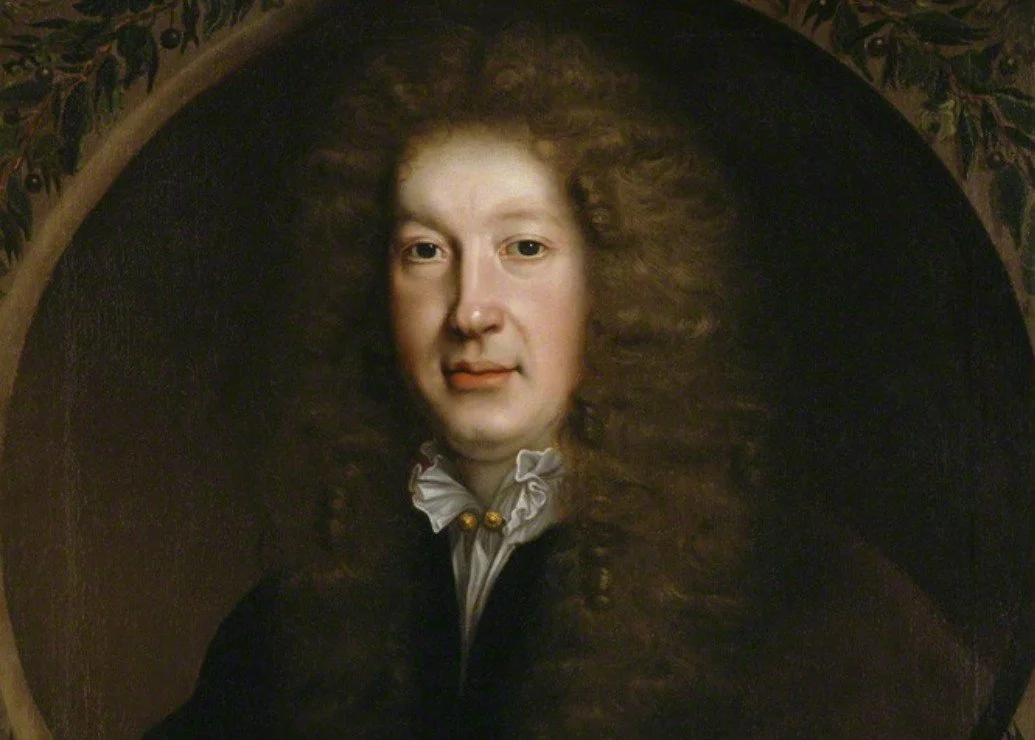
John Dryden
Perhaps your go-to initial thoughts may be dirty blues of the 1920s and 30s, or the subtler nuance of Cole Porter or Noel Coward. But anything from older, traditional folk, all the way more recent rock, pop, reggae or hip hop might find fertile ground. We're not looking for the outright explicit, whether the double entendre is obvious or subtle. Lil Johnson's Press My Button (Ring My Bell) for example, which was previously chosen literally for the topic of switches and buttons, is clearly not fully about doorbells, spark plugs and hot dogs.
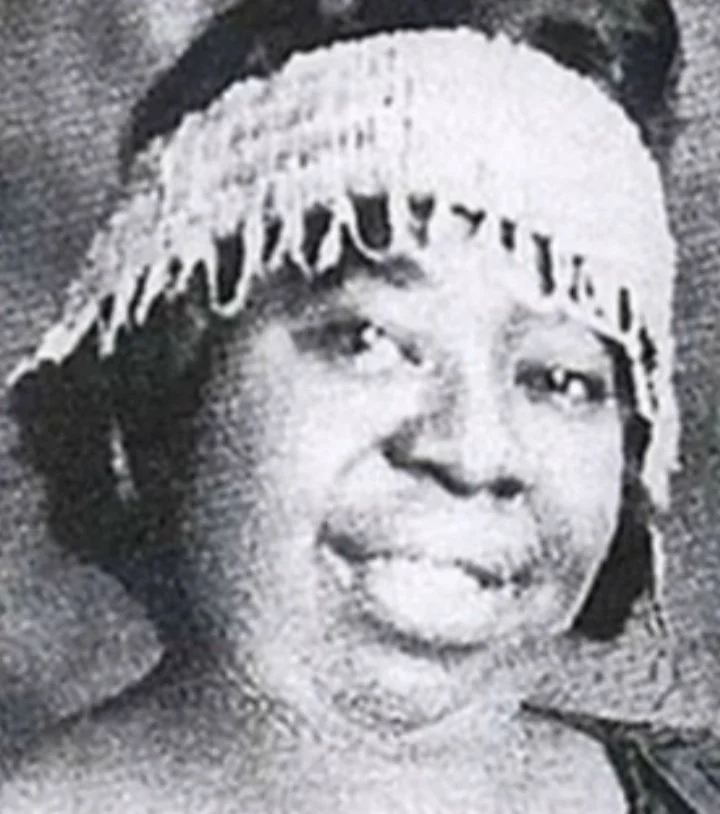
Lil Johnson - pressing the right buttons
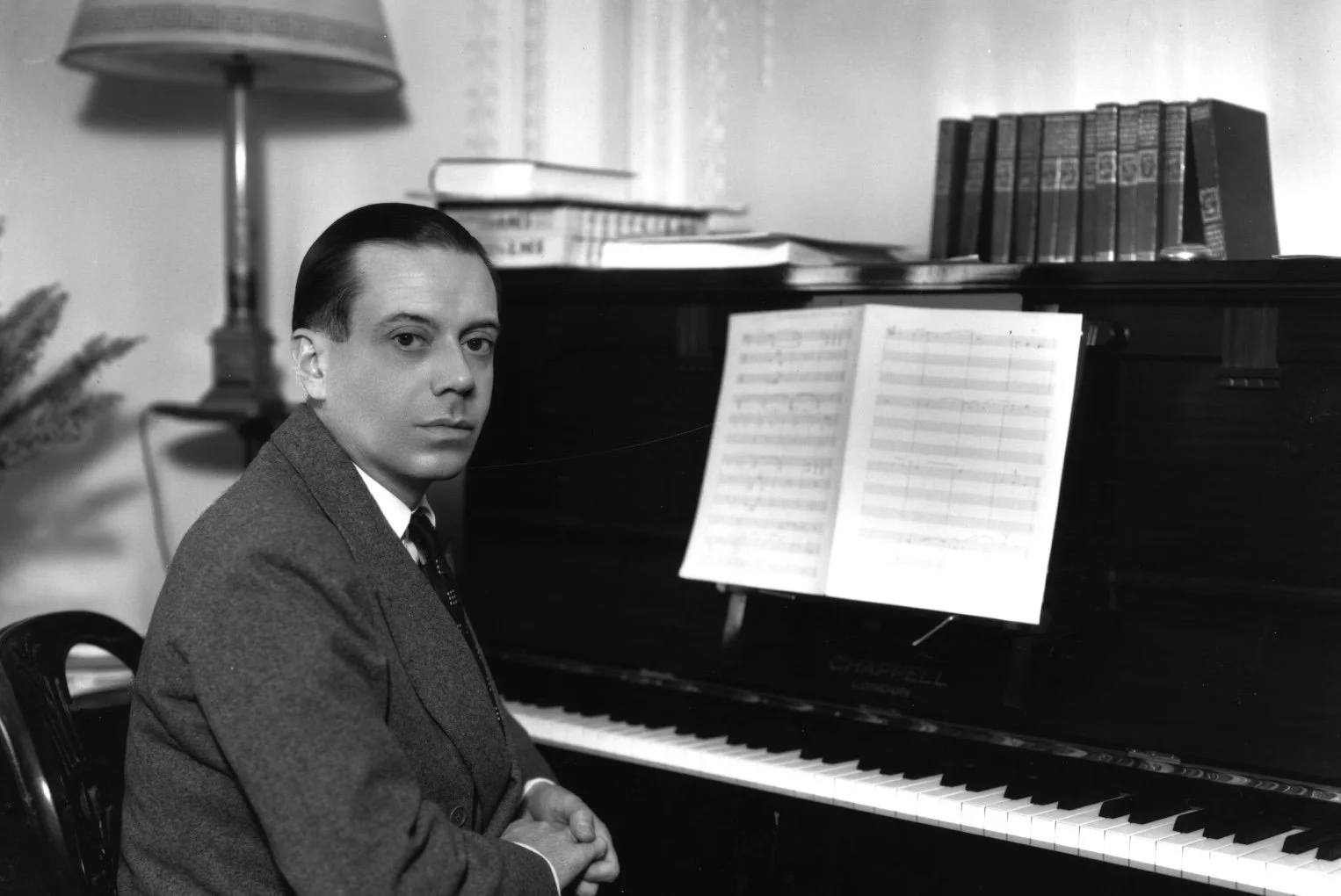
Cole Porter
But the double entendre has been in use since we first rubbed words together. In In Homer's The Odyssey, when Odysseus is captured by the Cyclops Polyphemus, he tells the Cyclops that his name is Oudeis (ουδεις meaning No-one), leading to massive confusion among the other cyclops, when he complains that “No-one” has blinded him, so no one comes to help. And echoing that, Sir Thomas More's 1516 fictional work Utopia, also relates to Greek, with it's original titular spelling Outopia, which means "no place; but in other places is spelled as Eutopia, meaning "good place." Nowhere, no good place, or no such thing as such a good place? Both and all at once...
Chaucer is rich in double entendres, from bawdy Miller to the Wife of Bath, but even this great genius was influenced by other and earlier literature. I was shocked, I tell you, shocked, to discover this passage today from the 10th-century Exeter Book, or Codex Exoniensis, at Exeter Cathedral in England, here translated, filled with chapter Riddles.This is no 25. Is it really about ... an onion? Obviously there’s more than one layer …
I am a wondrous creature: to women a thing of joyful expectation, to close-lying companions serviceable. I harm no city-dweller excepting my slayer alone. My stem is erect and tall––I stand up in bed––and whiskery somewhere down below. Sometimes a countryman's quite comely daughter will venture, bumptious girl, to get a grip on me. She assaults my red self and seizes my head and clenches me in a cramped place. She will soon feel the effect of her encounter with me, this curl-locked woman who squeezes me. Her eye will be wet.
Shakespeare, merely touched upon above, including that example of the pompous Malvolio unwittingly spelling out a rude word for female genitalia, was a master at the double entendre, and hopefully your suggestions will reach across time, geography and genre, and, er, all sorts of parts. Some double entendres occupy a subtle space, others a more obvious one.
Racy entendres seemed to be very much in vogue in the media in the 1960s and 70s, from the English comedy Carry On Films, to the brilliantly radio series, Round the Horne, which ran from 1965 to 1968, in which the camp characters of Julian and Sandy, played by Hugh Paddick and Kenneth Williams, joined Kenneth Horne as the straight man, with superbly clever scripts written by Barry Took and Marty Feldman, mischievously juggled meanings, touching on the sub-current of gay culture with the creative Polari language, all at a time when such activity was also illegal in the UK until the 1967 the Sexual Offences Act. Two worlds playfully going around the airwaves.
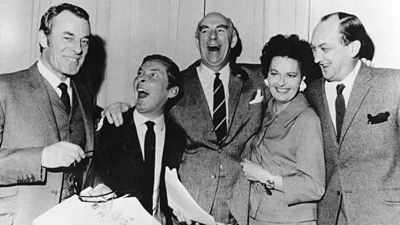
Ooh! The cast of Round The Horne, including Kenneth Williams, second from left
Double entendres meanwhile were always been part of old-school masculine flavour of James Bond. In the final scene of Moonraker (1979) while Bond gives hospitality in the cosy space-ship to the glamorous Dr Holly Goodhead to go "round the world one more time”, Q says to Sir Frederick Gray: “I think he's attempting re-entry, sir.” And in Tomorrow Never Dies (1997), when Bond is disturbed by the telephone while in bed with a Danish girl, he explains to Moneypenny that he is busy “brushing up on a little Danish”, Moneypenny responds by pointing out that Bond is “a cunning linguist”. Pnnarr Phnaar.
So where will your ideas go? High up in the heavens, or deep down below ground? Hopefully from medieval times to the present day. The double entendre is to be found floating everywhere in space and time. Sorting out the suggestive and delving into all the double meanings is the marvellous keep of the Marconium, Professor Marco den Ouden! Smoothly place yours (ooh-er) in comments below for deadline at 11pm UK time on Monday, for playlists published next week.
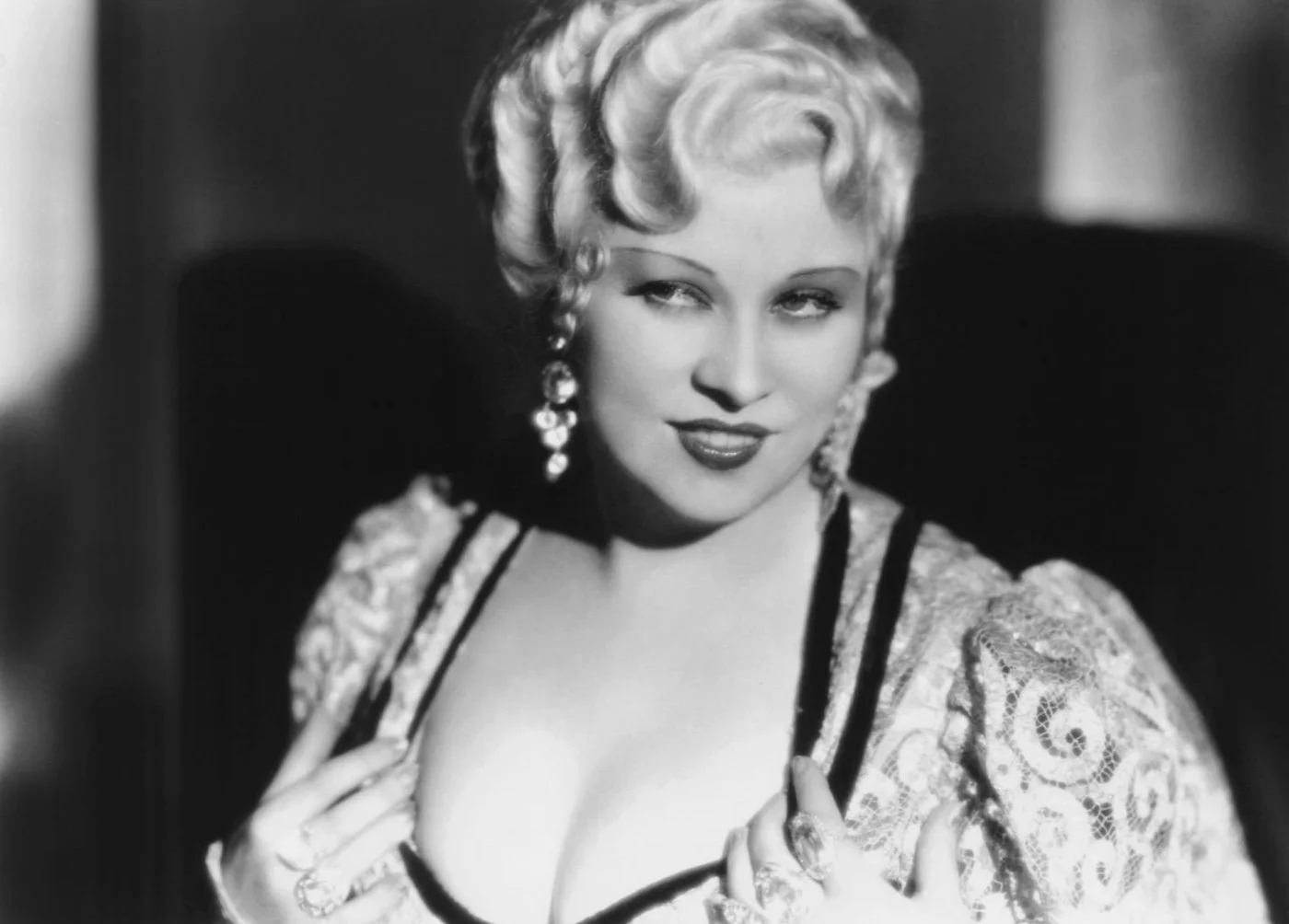
Mae West welcomes your double entendres here
New to comment? It is quick and easy. You just need to login to Disqus once. All is explained in About/FAQs ...
Fancy a turn behind the pumps at The Song Bar? Care to choose a playlist from songs nominated and write something about it? Then feel free to contact The Song Bar here, or try the usual email address. Also please follow us social media: Song Bar X, Song Bar Facebook. Song Bar YouTube, and Song Bar Instagram. Please subscribe, follow and share.
Song Bar is non-profit and is simply about sharing great music. We don’t do clickbait or advertisements. Please make any donation to help keep the Bar running.