
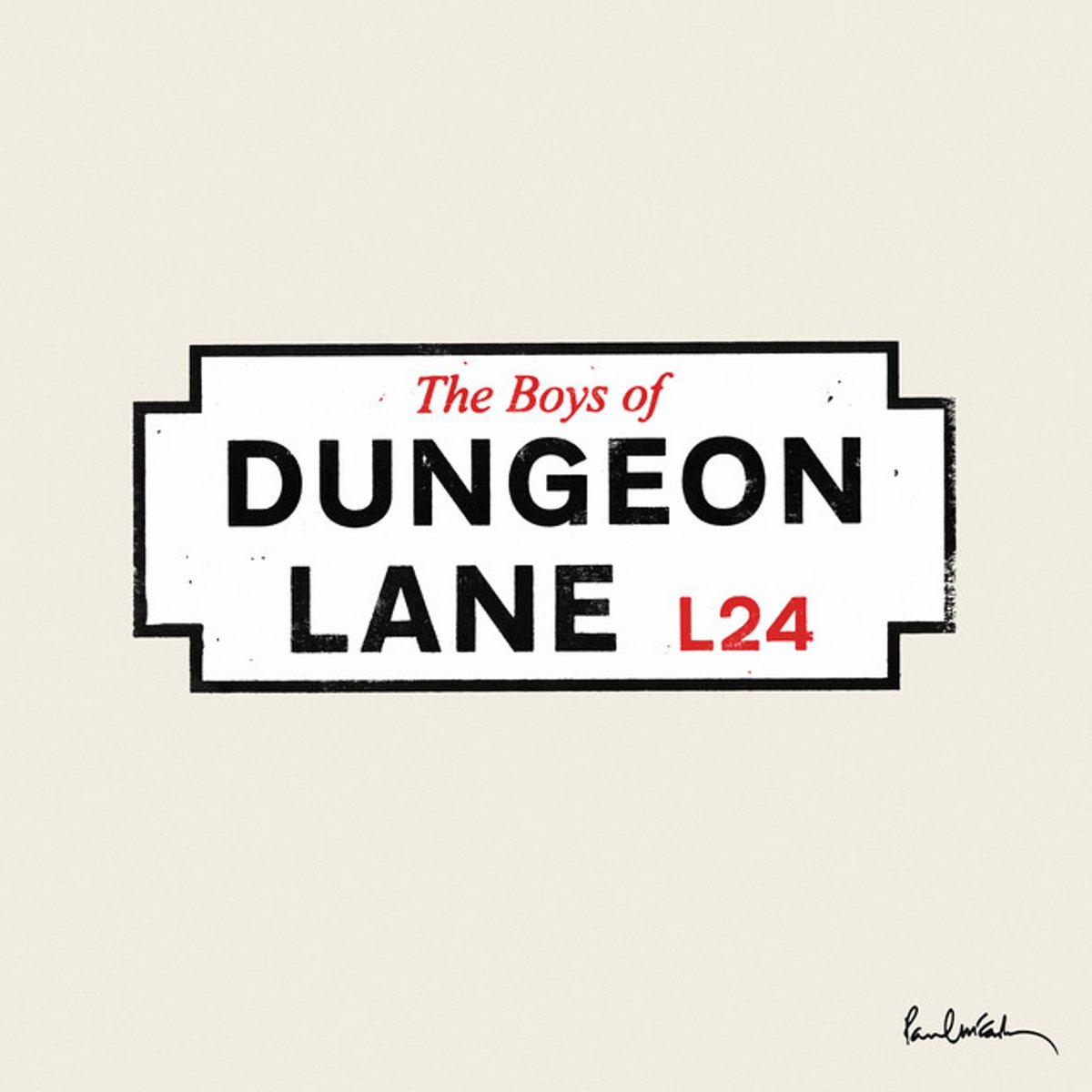
His voice now may be thinner and weaker, yet his genius for melody remains in this warm, tender LP, inspired by vivid childhood reminiscences in the Speke area of Liverpool and beyond, with references to friends, parents, girlfriends, his bandmates, and includes a duet with Ringo Starr. His broad, playful range of styles are summoned along with long held memories from gentle rock to thumping rock to woozy psychedelia. As You Lie There crosses between at least two of these, softly opening then breaking into the Wings-style rock in a number about a unrequited young crush. Mountain Top, jumps to the scene of a girl tripping on mushrooms at Glastonbury, set with a psychedelia echoing studio techniques of his Beatles days . “Pumpkin pies in the skies also try to hypnotise,” he sings, with his voice given a tremolo effect, and with harpsichord accompaniment. Lost Horizon is more bluesy glam rock, lead single Days We Left Behind, about his pre-Beatles days, sees him recalling “smoky bars and cheap guitars” and “skylarks about the sounds of war” with a style slightly reminiscent of Johnny Cash’s later American Recordings, not heart-broken like the country singer’s great rendition of Hurt, though the shakiness and fragility of his McCartney’s voice seems to fit for an octogenarian glimpsing into the past of such a richly eventful and creative life. Also gently tender is Down South about as a youngster hitchhiking from Liverpool to London with George Harrison, capturing both with an understated way how small tensions were released through shared experience: “It was a good way to get to know you.” Home To Us, the fond duet with Ringo Starr, is more of a thumping, catchy singalong rolling number over a bed of rock guitars, not unlike an Oasis classic with an added touch of Electric Light Orchestra, bringing an ironic stylistic circularity to proceedings, along to fond lyrics about childhood scenes, of the place falling down (post Second World War) and how “My mum was in the kitchen washing dishеs in the sink / And then she burnt thе toast / The kids are in the alley playing ball until the sun goes down / But that was my hometown / And it was home to us.” Continuing on that theme of cheerful poverty, Life Can Be Hard, belonging to his When I’m Sixty-Four school of songwriting, with a dash of dixieland jazz, is actually one the strongest numbers, a beautiful recollection of his mother’s love: “She loves me even when life presses harder / That's when we don't need the words/ I can see when there's no food in the larder / I know that she wouldn't care / Maybe the starlight that shines in her eyes/ Sings to the moon in her hair / Each time we meet, there's a look of surprise/ She sprinkles love everywhere.” Final tracks Salesman Saint and Momma Gets By are also devoted to his parents’ upbeat positivity despite acute financial hardship. An album filled with benign ghosts, and not every track is a gem, it’s a hard not to feel moved by these memories as well as a number of wonderful melodies and shows there’s life in the old man yet. Out on Capitol Records / UMG.
New to comment? It is quick and easy. You just need to login to Disqus once. All is explained in About/FAQs ...
Feel free to recommend more new songs and albums and comment below. You can also use the contact page, or find more on social media: Song Bar X, Song Bar Facebook. Song Bar YouTube, and Song Bar Instagram. Please subscribe, follow and share.
Song Bar is non-profit and is simply about sharing great music. We don’t do clickbait or advertisements. Please make any donation to help keep the Bar running: