Word of the week: It's an instrument that brings to mind the soaring condor and mountainous Andes – a haunting, beautiful sound emanating from this simple, traditional wooden flute
Read moreWord of the week: quena
A selection of quena flutes

Your Custom Text Here
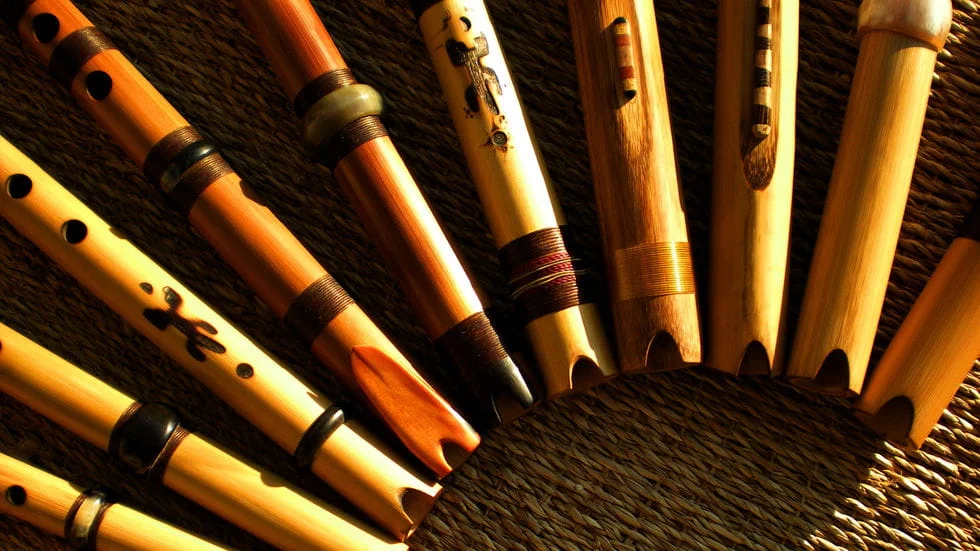
A selection of quena flutes
Word of the week: It's an instrument that brings to mind the soaring condor and mountainous Andes – a haunting, beautiful sound emanating from this simple, traditional wooden flute
Read more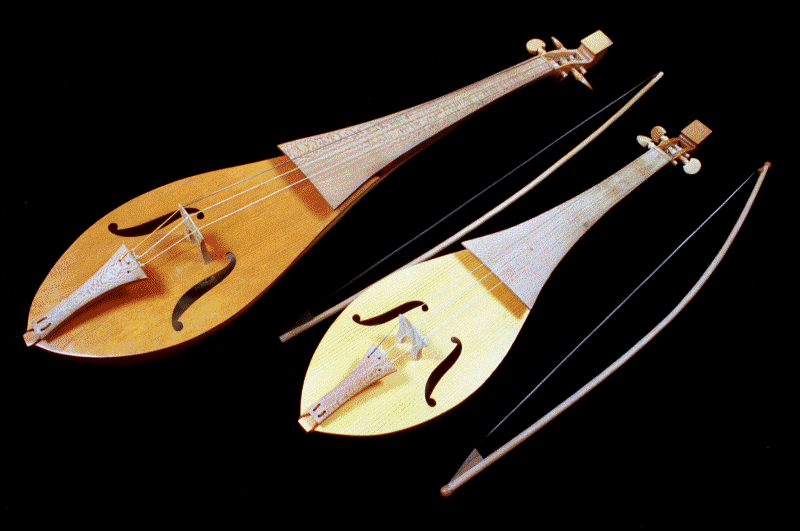
Rebecs
Word of the week: Most popular in the 13th-16th centuries, then largely replaced by the viol and violin, yet this beautiful wooden gut- and nylon-stringed instrument has a distinctive sound and still appears in some music today
Read more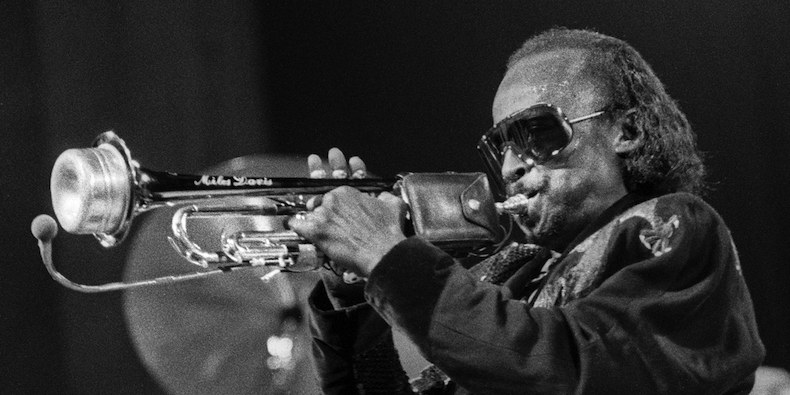
Miles Davis regularly used a Harmon mute, or sourdine, since the late 1950s
Word of the week: It’s the name for defunct reed instrument, but primarily from the French meaning to mute, pertaining to devices that not only reduce volume, but also create new tones, especially for brass instruments
Read more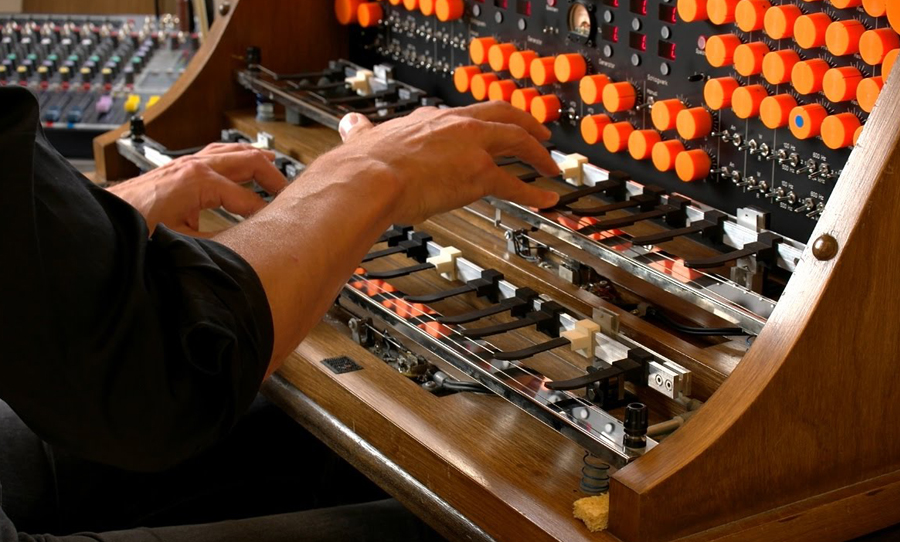
Resistance and metal: the Trautonium
Word of the week: Long before Kraftwerk and other electronic music pioneers, this beautiful, eerie-sounding instrument was invented in 1929 by Friedrich Trautwein in Berlin at the Musikhochschule's music and radio lab, the Rundfunkversuchstelle
Read more
Ukeke maker and player Mahi La Pierre
Word of the week: Unlike the ukelele, which was introduced by European sailors, this is the only true indigenous Hawaiian stringed instrument, evolving from hunting bow into one with plucked strings that becomes a mouth harp
Read more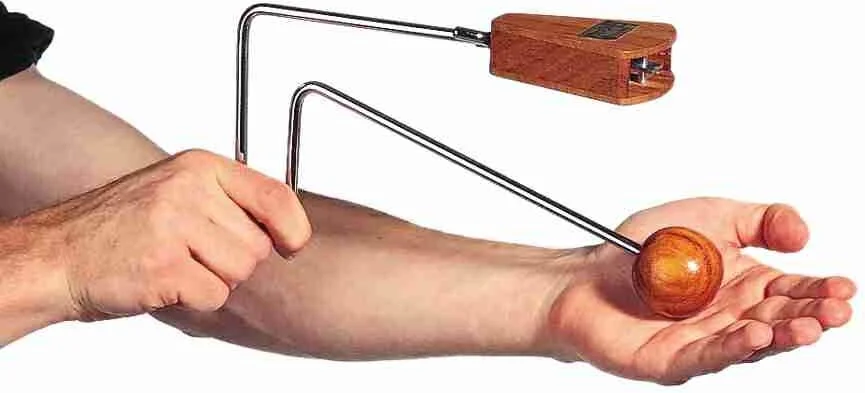
The vibraslap is a replacement for the jawbone
Word of the week: It's one of the most modern of all analogue percussion instruments, a combination of stiff wire, wooden ball and box with metal teeth, a replacement for animal bones, but where does it appear in songs?
Read more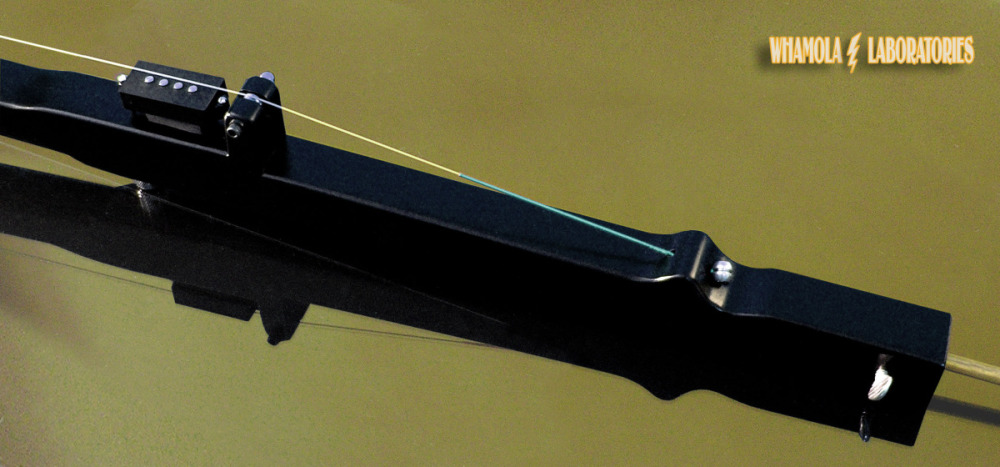
Whamola
Word of the week: This week’s funky instrument is a strange cousin of the washtub bass, a fusion fo whammy bar and viola, comprising the neck form a double bass with a string and with note changed by a lever-and-pulley system
Read more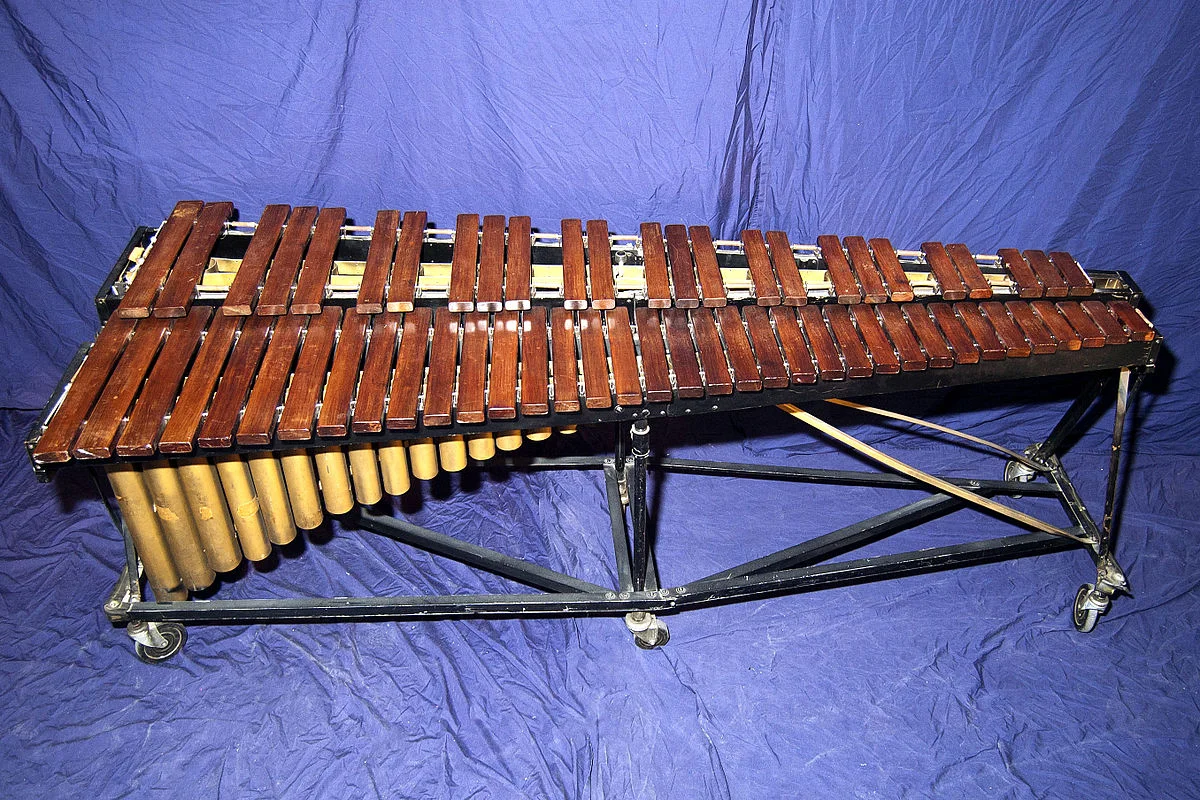
The xylorimba has a bigger range than either the xylophone or marimba
Word of the week: This week’s strikingly unusual instrument combines the higher range of the four-octave xylophone and lower notes of marimba, using similar wooden bars set out like a piano keyboard that resonate when hit
Read more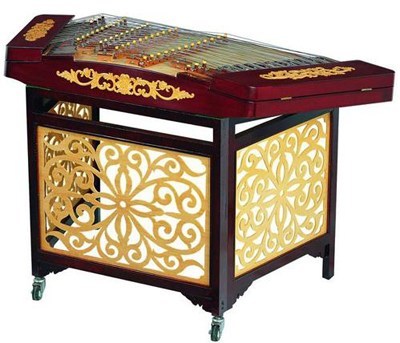
The yangqin, a Chinese dulcumer, also known in other cultures and forms variously as santur, cymbalom and zither
Word of the week: We return with a sweet sounding instrument thats a big hit in, and particularly associated with China, part of the hammered dulcimer family played in music across the Far and Middle East, India, Iran, Pakistan and Eastern Europe
Read more
A typical zambomba, cuíca or friction drum
Word of the week: The evocative Spanish name for a friction drum, similar to Brazilian samba’s cuíca, it is used around the world in ceremonious or celebratory music, working as a sound box via rubbing with stick, hand or wet cloth
Read more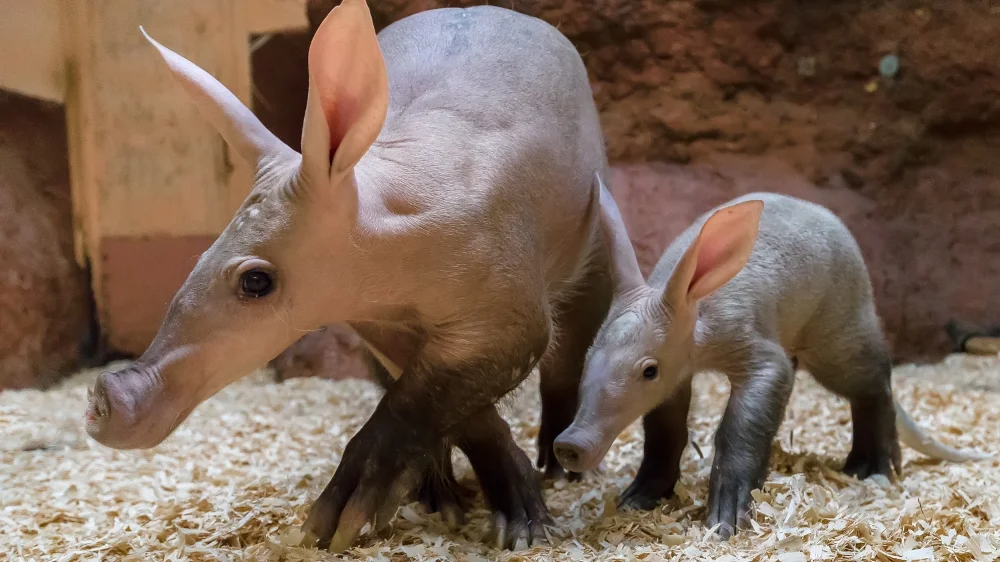
What’s not to love? Aardvarks
Word of the week: It’s that appealing, nocturnal, burrowing African mammal with a long snout that lives on ants and termites, but is also slang in parts of the US for an mistake-prone person and even an uncircumcised penis
Read more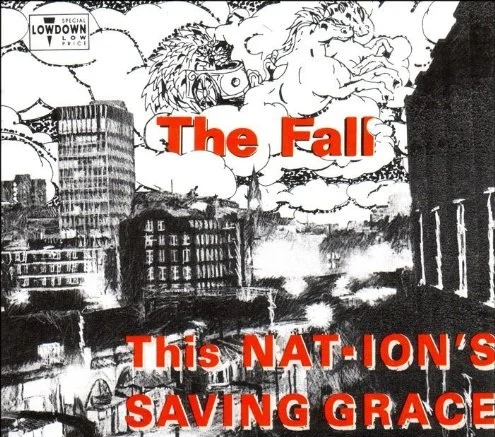
Bombast, ironic and otherwise, comes in this album by The Fall
Word of the Week: It describes high-sounding, pretentious, showy language with little meaning used to impress people, and explodes enjoyably when pronounced, but how it is used in lyrics, and does it affect the natures of the song itself?
Read more
What’s the craic?
Word of the week: To celebrate St Patrick’s Day, here’s to that popular term for gossip, chat, fun banter, and entertainment, most commonly used in Ireland but also across the British Isles. But where does it come up in song lyrics?
Read more
Fighting at Donnybrook Fair
Word of the Week: It means an uproarious drunken brawl, a scene of heated argument and fighting, and an Irish jig, but takes its name from a longstanding fair in a district of Dublin. So where does this word appear in lyrics?
Read more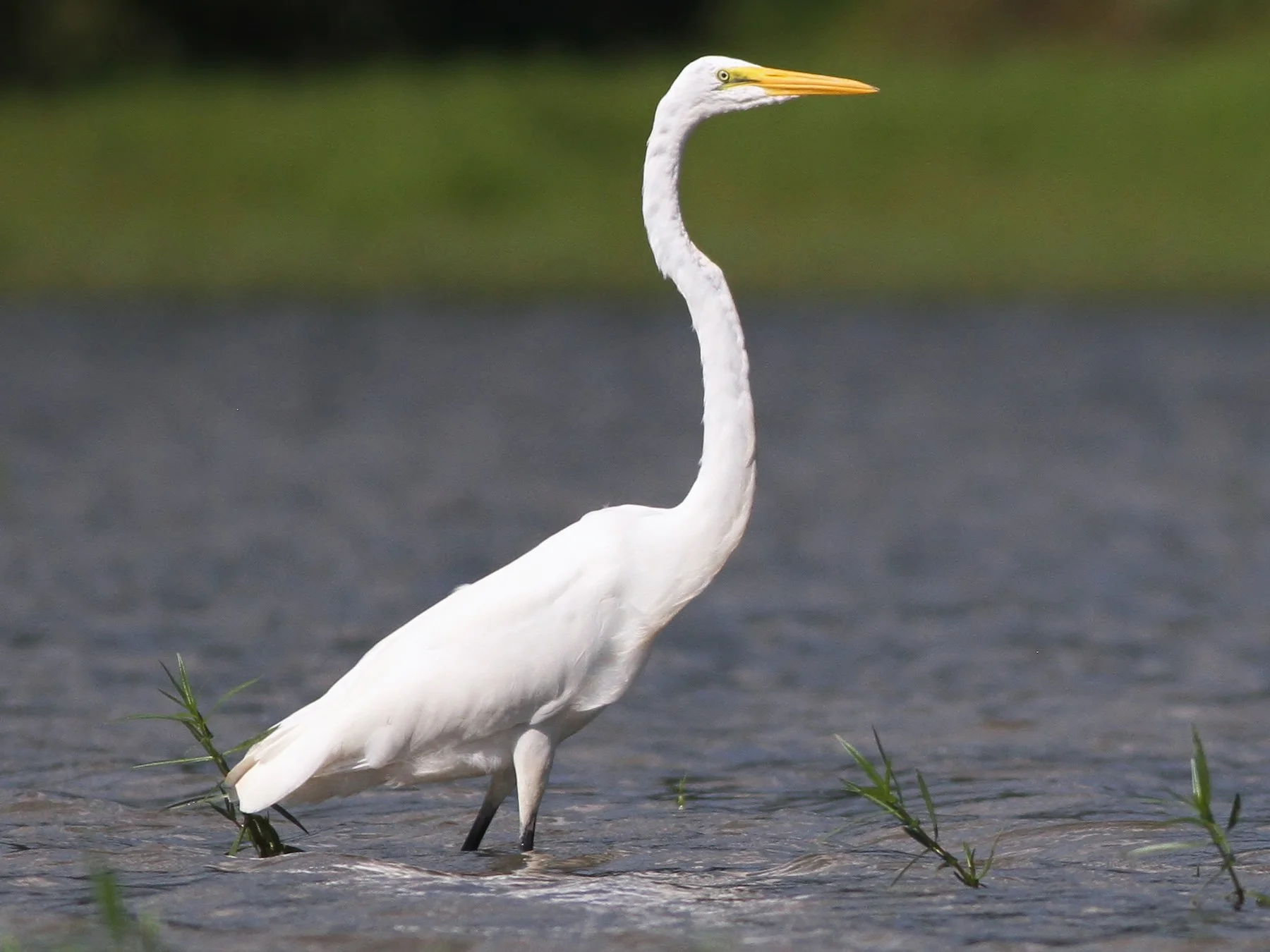
Egrets? We have a few …
Word of the week: They are from the heron family of water-fishing birds, various in size and colour but mostly white, elegant, angular and thin, and are beautiful to watch, but how is this unusual word used in song lyrics?
Read more
Flim flam isn’t only what people might say, it’s also a font
Word of the week: It means pseudo-intellectual nonsense, insincerity or a confidence trick perpetrated by elected officials, so while antiquated, always current and relevant, and with a lovely musicality where has it been used in lyrics?
Read more
Typical gabardine coats (centre and left)
Word of the week: Let’s extend the lyrical wardrobe. It’s a smooth, durable, twill-woven worsted, rayon or cotton cloth material and also the name of coat, but is a also beautifully sounding, musical word, perfectly suited to sung words
Read more
May and Thatcher: two more recent harridans, though their gender has nothing to do with policy or nature
Word of the week: It traditionally means a scolding, bossy, unpleasant woman, possibly with origins from the 17th century and related to the verb to harry, or hassle, and has a certain comical quality, but where does it come up in song lyrics?
Read more
An ichthyosaur could be a long as 15 metres. Surely that’s worth a song or two?
Word of the week: After last week’s fictional Jabberwocky, a real-life deep-sea dinosaur, a fish-reptile with an extraordinary evolutionary history on land and sea, famous in fossils, but where can we dive to find it in song lyrics?
Read more
Monstrous nonsense: from the original illustration of the Jabberwock from Lewis Carroll’s Through The Looking Glass
Word of the week: It’s best known as the mythical monster in Lewis Carroll’s poem from Through The Looking Glass (1871), but the word also means nonsense or gibberish, something that continues to be very much at large
Read more