
By The Landlord
“I jump ’em from other writers but I arrange ’em my own way.” – Blind Willie McTell
“I remixed a remix, it was back to normal.” – Mitch Hedberg
“Sometimes, a remix is good because it reaches a whole new generation.” – A. R. Rahman
“Every new idea is just a mashup or a remix of one or more previous ideas.” – Austin Kleon
“Remixes give songs more life.” – Big Boi, OutKast
“Everything is derivative. Everything is a remix, and we all stand on the shoulders of giants.” – Alexis Ohanian
“There are Depeche Mode parties around the world where people listen to our music all night long. The more remixes we can give them, the more interesting those nights have got to be.” – Martin Gore
“Words don't get lost in translation, they get remixed. Just watch what happens to this quote.” – Stewart Stafford
Music is, in many ways, a time machine through which we can instantly be transported to revisit personal memories and cultural eras. But it is also a way we might revise, remould and remix them. When you hear a song from a certain period of your life it can feel, in a flash, so fresh and recent. But, at the same time, while the period 1990-99 for me is so full of vivid, hedonistic, good, bad and formative experiences, many far more interesting and vibrant than something that just happened yesterday or last week, also rather shockingly, as I sit bolt upright from this morning's slumber, I remind myself that it is already three decades ago in 1996 and 36 years since 1990. Where did all that time go?
So this week, following previous parallel playlist topics on 12-inch singles up to 1979 and similarly for the 80s, a third in this series now extends to the 1990s. Back then, a new horizon was unfolding as this decade spilled out into a new realm of creative, but also exploitative possibilities. Technology had moved on, not merely with the advent of the CD, but also with something of a wild-west period of DIY sampling before rights lawyers had a chance to fully step in, helping explode a new side of the music industry, unpacking many new sub-genres of dance music, electronic, hip-hop and trip-hop, as well as many other tangible trends in indie, rock and pop, from grunge to Britpop and beyond.
If nothing else, the 1990s was a decade of enormous musical variety, during which I spent hundreds of hours wading through record shelves and libraries expanding my own collection and taste …
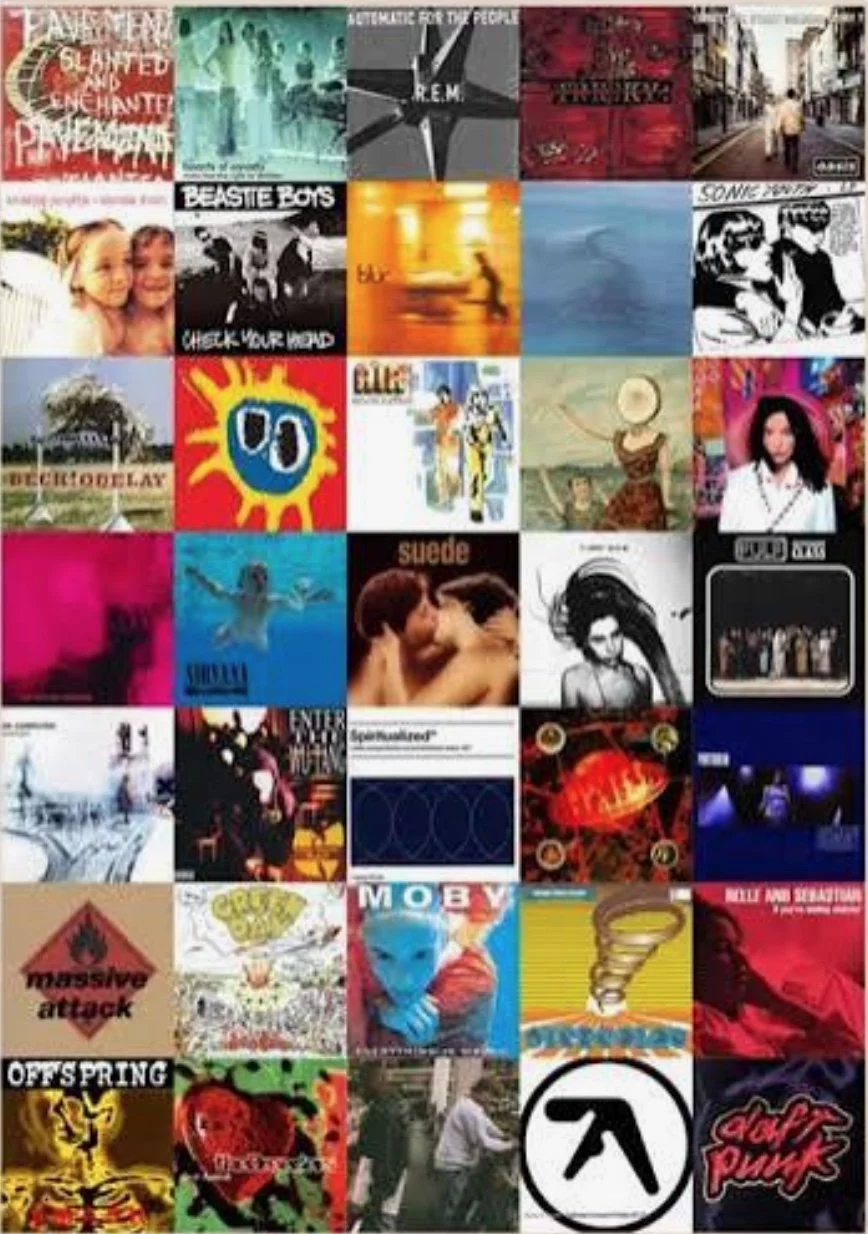
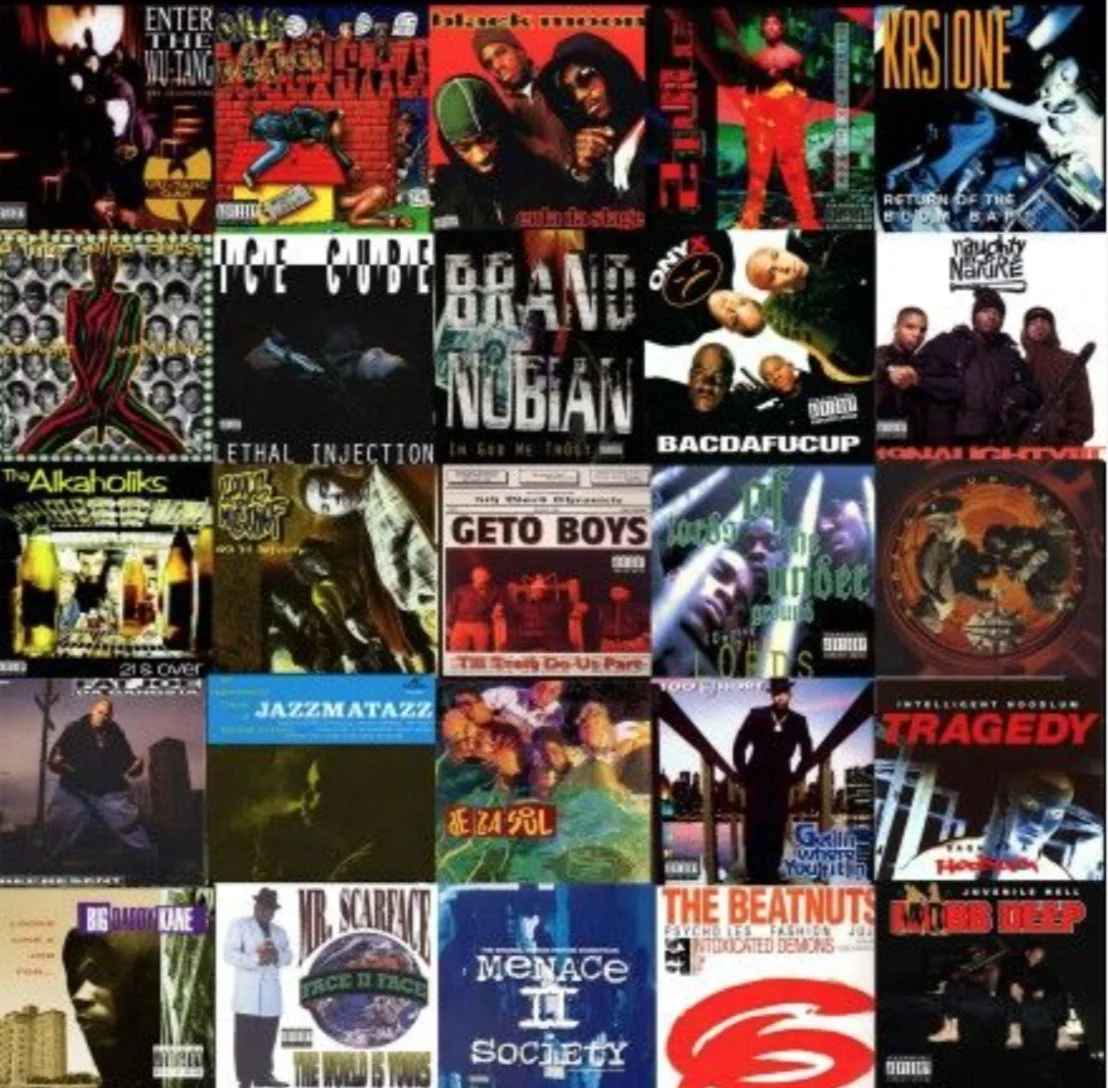
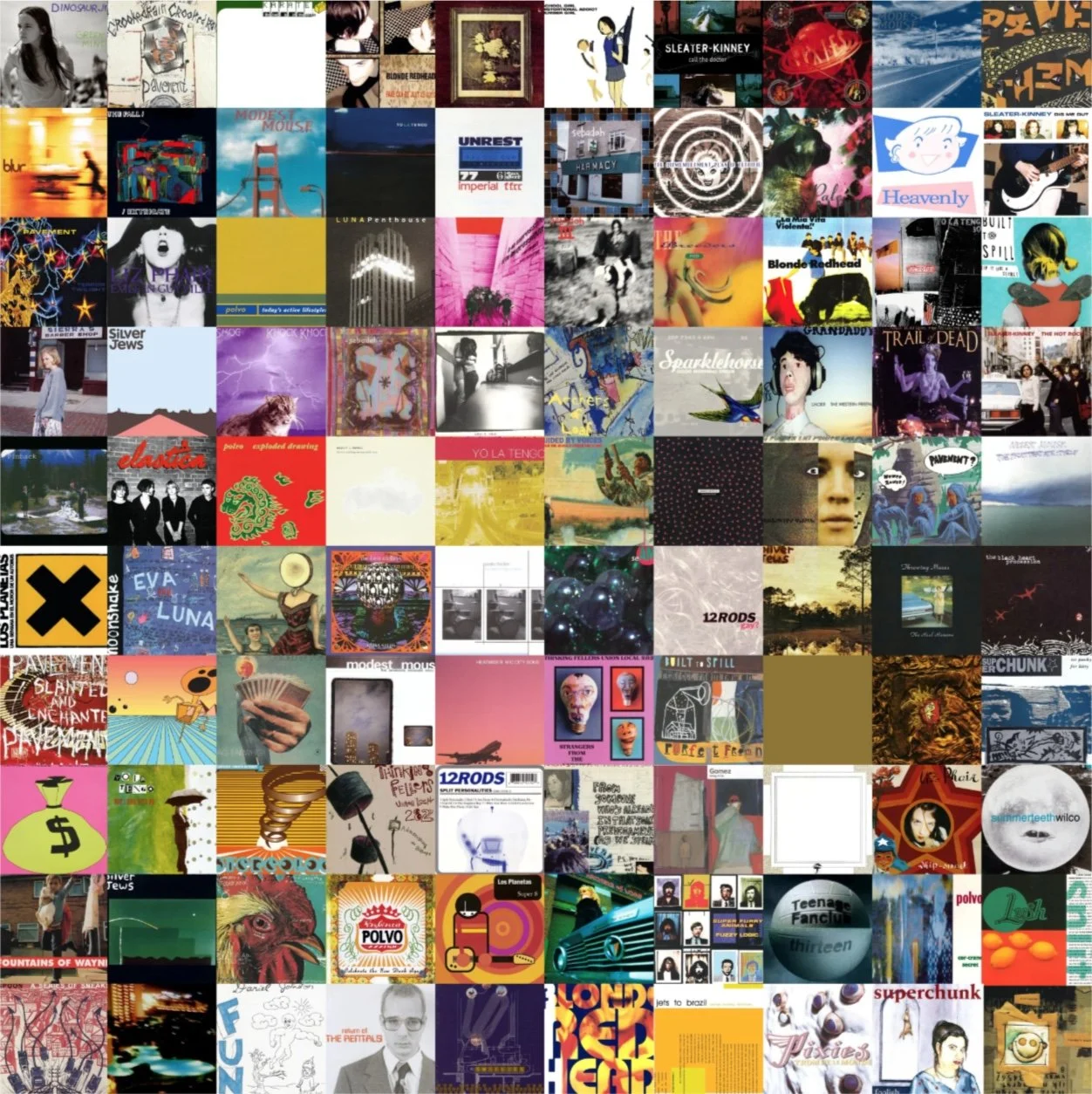
The CD, as well as for albums, also started taking shop shelf space from 12-inch vinyl, and extended versions of singles than had previously had been stretched into repetition, or with just a few amended stems, bloomed into multiplicity of different genre fusion versions from disco to Latin to dub and more. There came an explosion of often quite randomly named remixes, some with abstract numbers, many more with phrases variously descriptive, amusing, nebulous, or nonsensical. Dark Garage, Ultraviolet Sleaze, Easy Mo Me, Saucy Space, Neanderthal, Sudanese Cheese, or Big Red Monkey Chief mix, anyone? Many of course were named after the remixer themselves. Craze and complexity grew with all kinds of fusions of different songs, samples, instruments and sounds, some very interesting, others less so.
So perhaps the challenge of this topic, when it comes to remixes and alternative 12-inch or CD singles, is to pick out the creative and innovative from the simply repetitive and exploitative.
As I woke up this morning, thinking about this topic, it occurred to me how much, as well of course as being an industry's commercial movement, it is in human behaviour to evolve this way, not merely in remixing music, or art's colours and styles, or film, or fashion, or the written word, but in the very fabric and drive of our brains.
After all, we constantly synthesise and revise our knowledge and experience. What we do every week in this very Bar is very much that process, putting together songs from different periods nd to bring their context into a new perspective. A playlist could be described as remix of times and memories and associations.
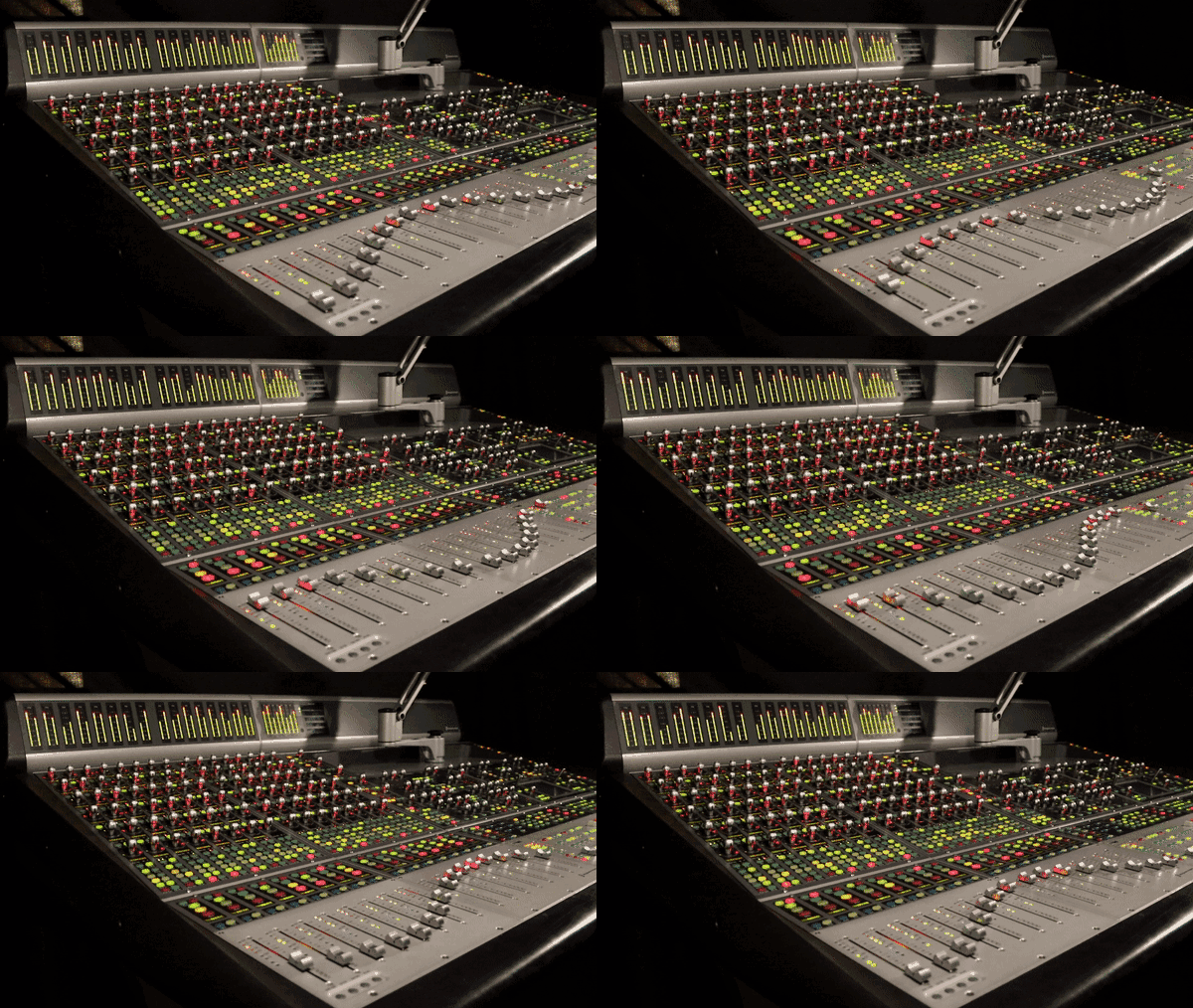
Studio remixing of an existing may sound like commercial exercise, but oddly, has parallels with a natural process that happens constantly in our brains during sleep and dreaming. At night we remix our experiences from that day, sometimes flagging up key moments of emotion, stress or joy and putting them into new contexts. Sleep is like a volume knob or sliding fader that only keeps the emotional peaks.
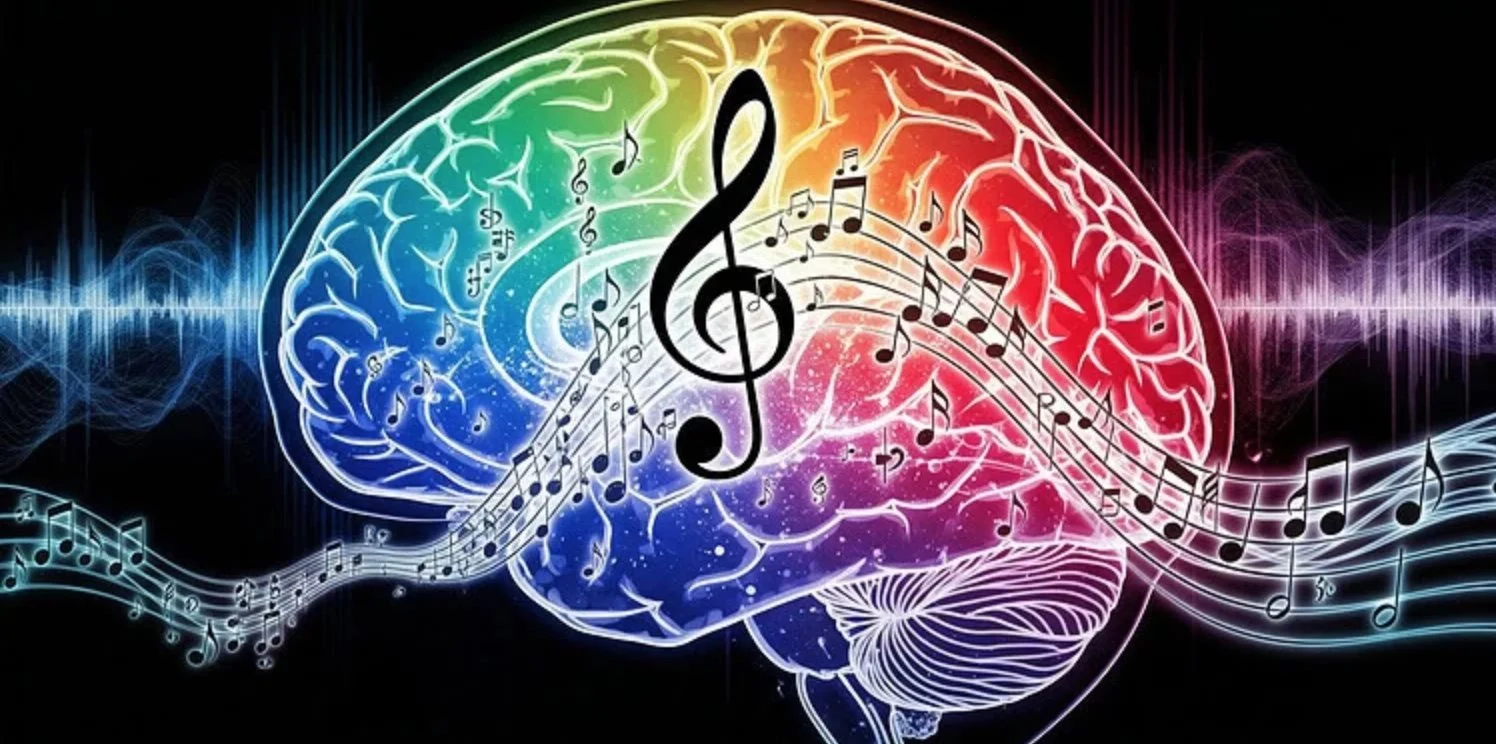
Sleep remixes our experiences of music and other life events
So in the same way, like the process of dreaming, a good remix is one that retains some essential, emotional striking and strong elements such as the lead vocals, but dispenses with the unoriginal drumbeat or cliches bass line, and brings out important elements into a refreshing and original new context. Most songs have stronger and weaker elements, perhaps a magical small detail that makes you want to listen, but the art of remix is making the right choices.
Our subconscious remixes music in other ways. Studies, such as by Robert Stickgold, professor of psychiatry at the Harvard Medical School, who specialises unconscious effects on learning, reveal how sleep can improve or rejig the muscle memory when it comes to learning musical instruments.
And in a wider context, how many of us have struggled with a task, a problem, an idea, or learning something, only to find that the sleep remixes that experience to solve the problem?
This experience is nothing new, but our understanding of sleep is still evolving. In 1865, the German chemist Friedrich August Kekulé had been struggling with great intensity to work out the molecular structure of benzene. He then claimed that, when taking a nap from exhaustion, his strange day-dream summoned in his mind the image of a snake chasing its own tail, somehow leading the the revelation that the benzene molecule He said that he had discovered the ring shape of the benzene molecule after having a reverie or day-dream of a snake seizing its own tail (the ancient symbol known as the ouroboros).
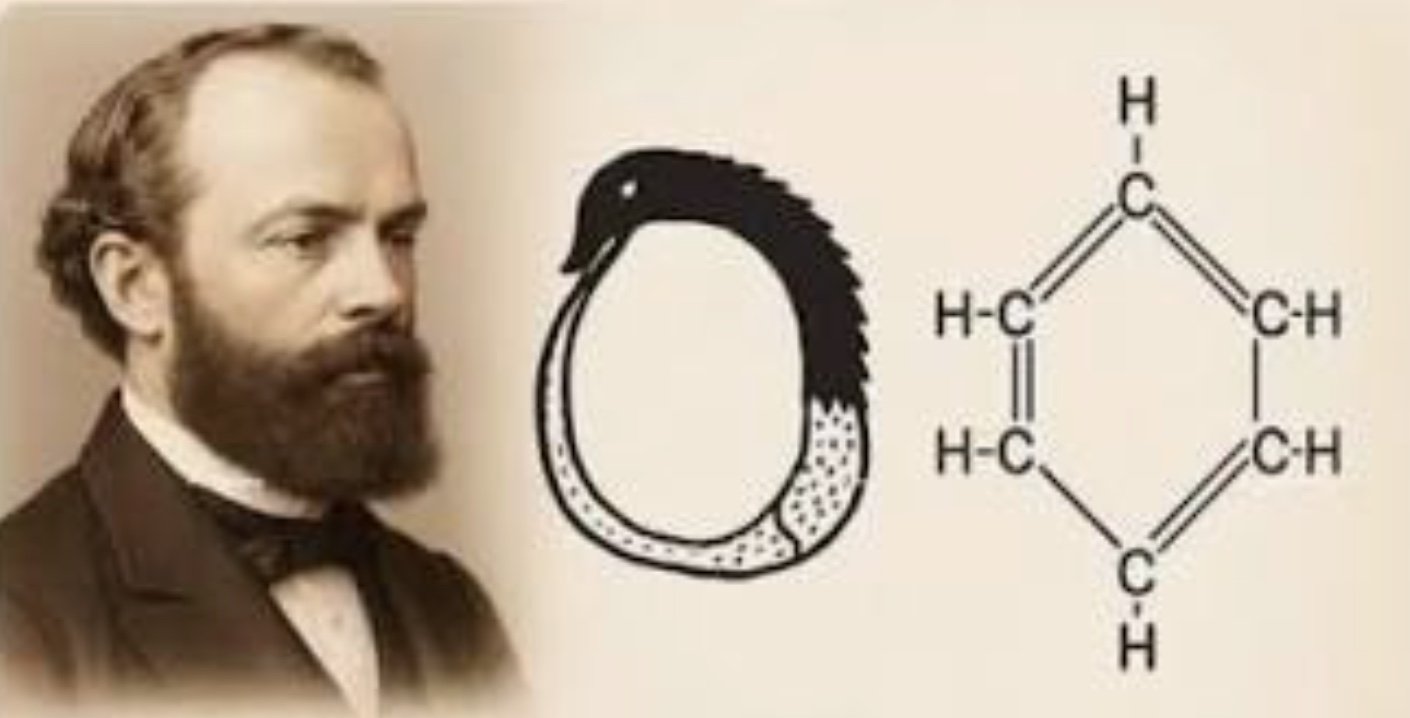
Friedrich Kekulé’s snake dream helped him remix his head to work out benzene’s structure
As we sleep, there's an electrical cacophony passing between brain cells sifting through experiences, but also a softening wave reducing the less important memories. If you've been doing a repetitive task for much of the day, especially a different from usual one, during the first couple of hours of sleep and dreams, we might replay it later in the night, the brain will start to amend that memory, bringing down the volume knob and mixing in other sounds and colours and experiences.
Neuroscientists have studied through brain activity monitors, how rats and mice, who have spent their waking hours running around a maze route, will later dream that exact same process in the first period of REM sleep. But that experience will modify in later dreams, and if they have two different mazes to negotiate in the daytime, their dream will begin to mix the two mazes up to create a new maze in their imagination.
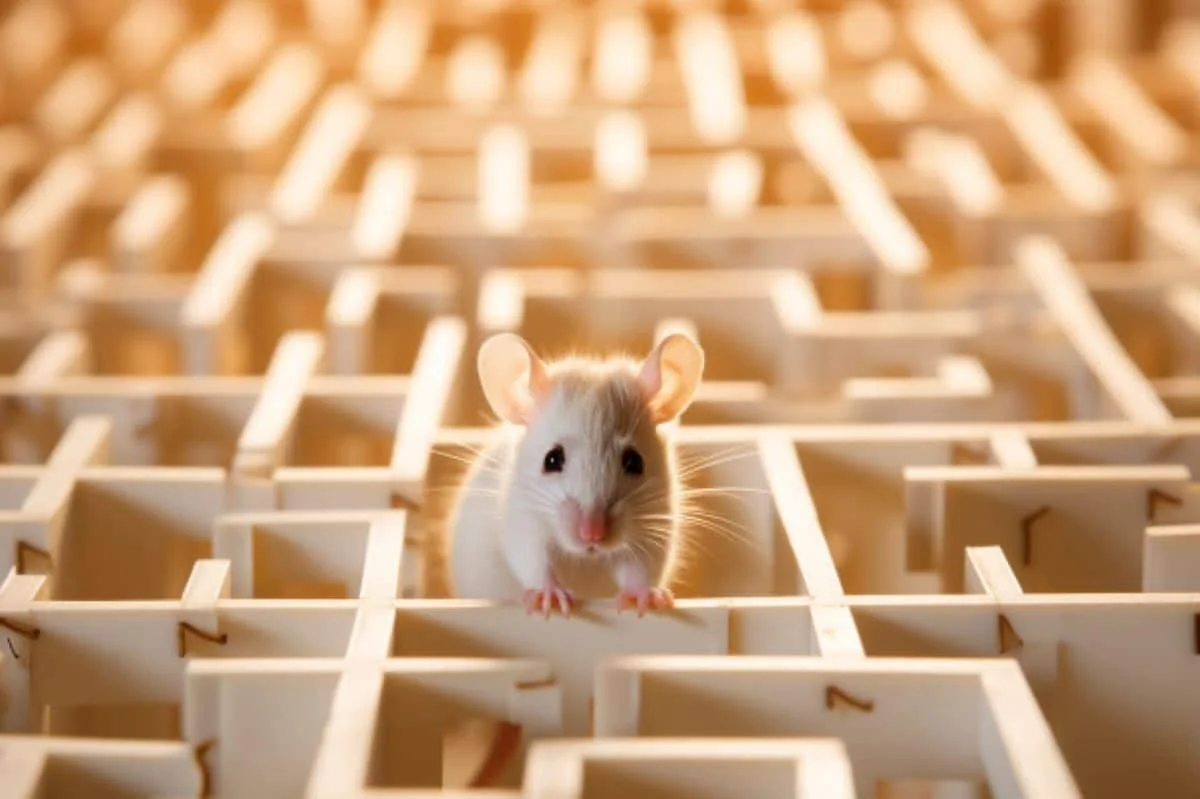
A mouse who runs different mazes will mix them up to perceive an entirely new maze during sleep
So, whether you are a maze mouse, an industry rat, or any kind of creative or music loving human, remixing is all part of our waking and dreaming mammalian existence.
Whether during your night-time or daytime, and with a sense of present or past, it's time to suggest your favourite and memorable choices for this 1990s topic in comments below. Sliding the controls and picking out suggested songs for a session on our DJ turntables is the ever deep-thinking, crate-digging DiscoMonster! Deadline is 11pm UK time on Monday, for playlists published next week. Let’s get in the mix…
New to comment? It is quick and easy. You just need to login to Disqus once. All is explained in About/FAQs ...
Fancy a turn behind the pumps at The Song Bar? Care to choose a playlist from songs nominated and write something about it? Then feel free to contact The Song Bar here, or try the usual email address. Also please follow us social media: Song Bar X, Song Bar Facebook. Song Bar YouTube, and Song Bar Instagram. Please subscribe, follow and share.
Song Bar is non-profit and is simply about sharing great music. We don’t do clickbait or advertisements. Please make any donation to help keep the Bar running.