
By The Landlord
“Although this instrument is used by lackeys and people of the lower class, this does not mean it is not worthy of consideration by better minds ... The trump is grasped while its extremity is placed between the teeth in order to play it and make it sound ... Now one may strike the tongue with the index finger in two ways, i.e., by lifting it or lowering it: but it is easier to strike it by raising it, which is why the extremity, C, is slightly curved, so that the finger is not injured ... Many people play this instrument. When the tongue is made to vibrate, a buzzing is heard which imitates that of bees, wasps, and flies ... [if one uses] several harps of various sizes, a curious harmony is produced.” — Marin Mersenne, Harmonie Universelle (1636)
Mayday, Mayday, learned readers and Song Bar punters. This being the 1st day of May, there's an oblique seasonal connection to this week's theme, one which began to spring up in the feverish connections of my unconscious last weekend.
For a last-minute reason, I decided to attend a pagan-themed party dressed as Lord Summerisle from Robin Hardy's 1973 classic British horror film The Wicker Man, a movie never to be improved, surely, in any remake. In one entertaining sequence, before things go strange and very dark indeed, the bemused police officer Sergeant Neil Howie, played by Edward Woodward, during his visit to the verdant, fictional Hebridean island of Summerisle on an investigation, comes across a mini fertility festival, traditional on the 1st day of May, focused around the phallically symbolic maypole, around which children, led by a school teacher, twirl and dance. Such a tradition, while less common these days, is not unknown in real-life rural villages across the British Isles and in various places in Europe. The scene is ribbon-wrapped around a fertility song, one that begins with a uniquely strange instrument, a small, curvy, lyre-shaped, crafted metal item held in the teeth and plucked with the finger, the tone changed by the mouth, one that boings and twangs with a comical-quaint history-spanning elsewhereness.
The sound does strange things to me. It's an analogue oddball voice distorter, a rural robot, a boing from history's beyond, with the buzz of some sort of massive bee. The jaw harp, also known, simply by linguistic distortion, mishearing and irrationality the jew's harp (it has nothing to do with Jewish music, religion or culture but it still remains a prominent name and search term), has been around for thousands of years in different design forms. It's thought to have been invented in China 4000 years ago in Shaanxi province, and spans not just folk and traditional music, but all genres, from 18th-century classical to a wide range of rock, pop, bluegrass, folk, American roots, country, blues, reggae, hip-hop, jazz and experimental hybrids in the 20th and 21st centuries, with hundreds of easily sourced numbers published since the year 2000 alone, in which the instrument plays a palpable role in songs by the famous and lesser known.
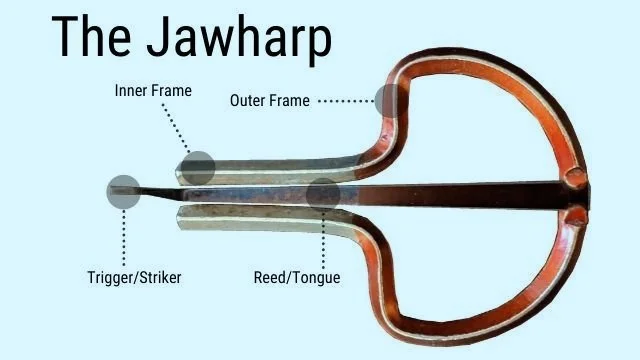
Basic jaw harp design
What is it? Also known as jaw harp, juice harp, Ozark or mouth harp, there are all kinds of international variants, from the murchunga or Rajasthani murchang, the guimbarde, mungiga, mukkuri, trompe, isitolotolo, the Assamese gogona, the Slovak drumbľa, the Russian vargan, the Tuvan demir-khomus, the Sicilian marranzanu, the Nepalese bamboo binayo, the Turkish/Mongolia n music of the Altai with their khomus/kamus, the Portuguese berimbau de boca, the Estonian parmupill, coming in different shapes and sizes, including 7-pitch tuned Kyrgyz komuz. There are more of course.
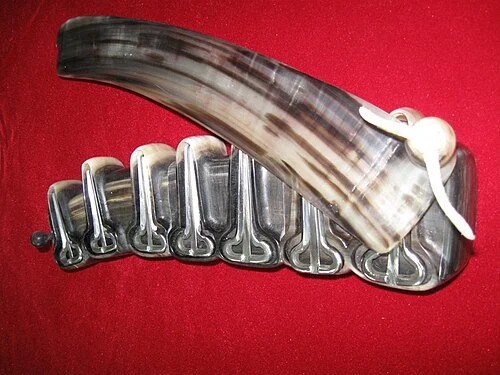
7-pitch Kyrgyz komuz
It's a lamellophone instrument, in other words with a flexible metal or bamboo tongue or reed attached to a frame. They come in variants, the idioglot or heteroglot (whether or not it's all one piece); a rod or plaque frame (rod or plaque); by the number of tines, and whether the tines are plucked, joint-tapped, or string-pulled.
A uniquely odd instrument but how do you play it? Place it against your parted teeth or lips, using the mouth, plus the throat and lungs when breathing freely) as a resonator can increase or or decrease the volume. Teeth must be parted sufficiently for the reed to vibrate, free of the fleshy parts of the mouth to prevent damping or pain.
Is it me, or am I just still in the frame of mind from last week's potent double entendre topic thinking that the jaw harp, in shape and how it is played, seems like quite a sexual object? Feel free to comment.
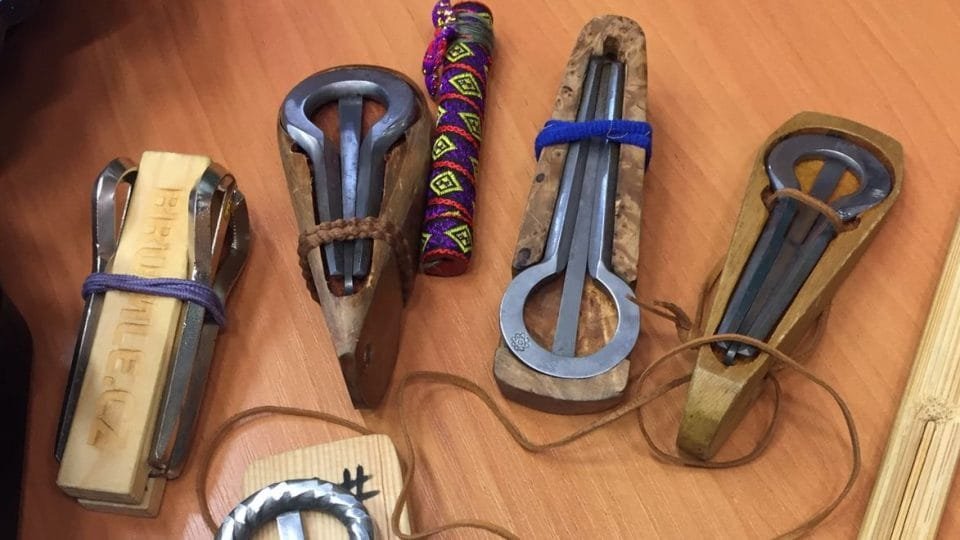
Jaw harp selection
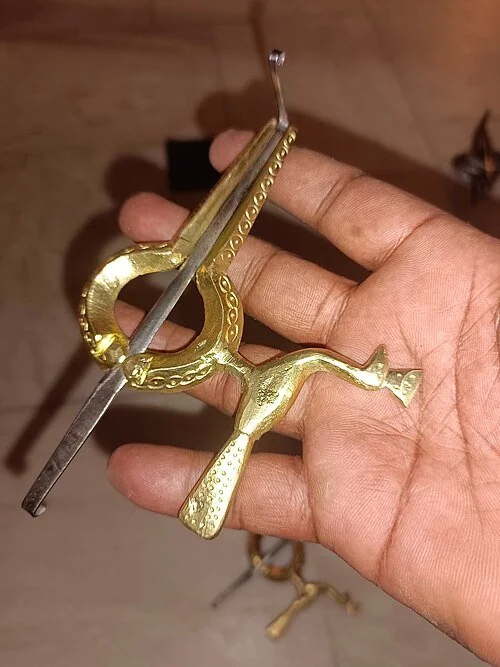
Ornate brass murchang
Anyway, there are oodles of demonstrations online, but Beppcorp Harpery's YouTube channel seems to be among the best, an engaging, skilled enthusiast who sources instruments from around the world with many models, and how-to videos available. Here's a tutorial and another model demonstrated:
Meanwhile, this ingenious design appears to be from Indonesia:
The jaw harp has come in and out of vogue through history. The instrument was beloved of Frederick The Great, with composers and virtuosos during his time and different periods, from Johann Heinrich Hörmann: Partita for Jews Harp and 8 other instruments (around1730), Johann Georg Albrechtsberger's four surviving Concerti for Jews Harp & Mandora in D, E♭, E, and F (1769–1771), or the famed German Maultrommelspieler Karl Eulenstein.
German scholar Walter Maurer wrote in 1983 of a multiple harp player when the instrument was at the height of fashion:
“In the experimental period at the end of the 18th and beginning of the 19th century there were very virtuoso instrumentalists on the mouth harp. Thus, for example, Johann Heinrich Scheibler was able to mount up to ten mouth harps on a support disc. He called the instrument "Aura". Each mouth harp was tuned to different basic tones, which made even chromatic sequences possible.”

Young Man with joodse harp by Dirck van Baburen, 1621
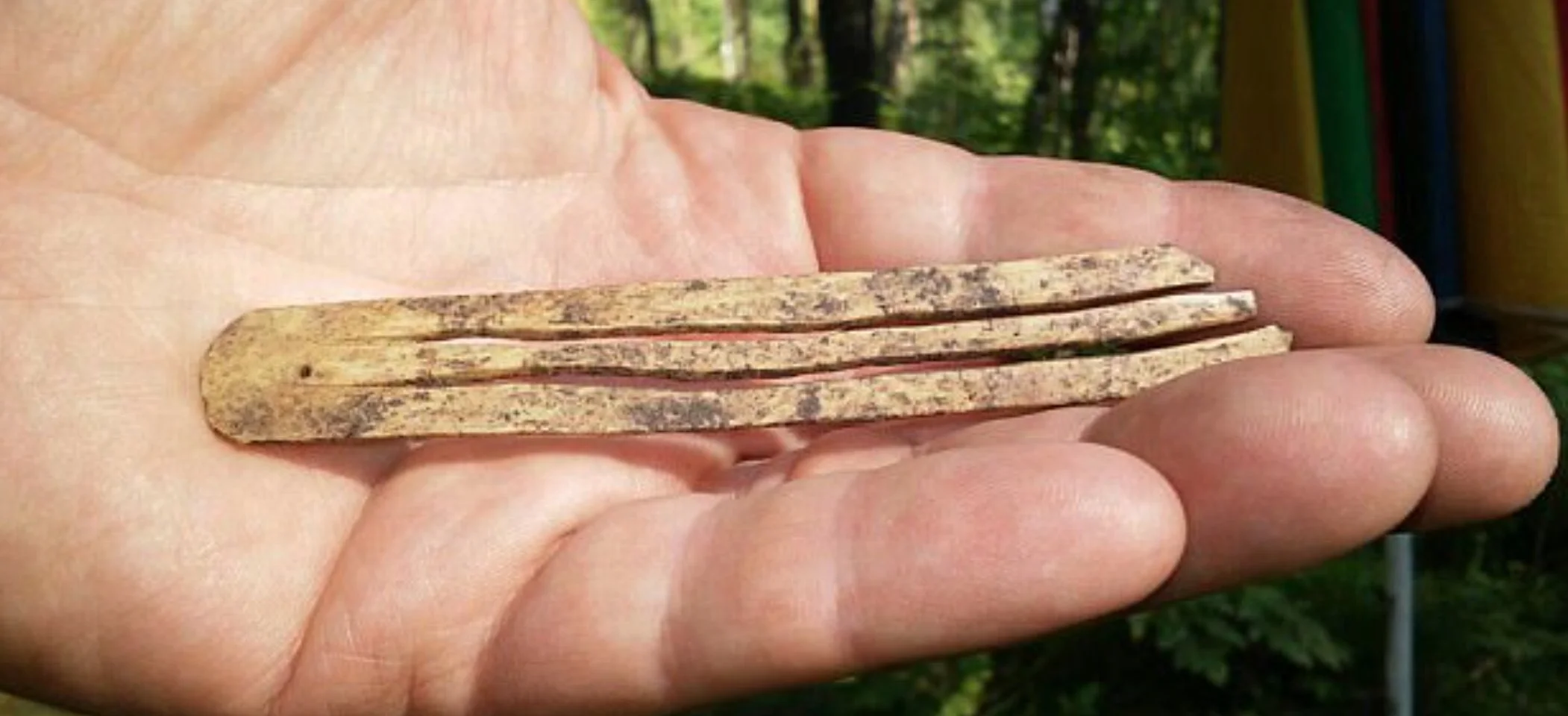
This basic wooden design, found in Siberia, is still playable and dates to around 300 AD
And here's a nicely informative video about how the instrument soundtracked many key moments in US history, including the Civil War:
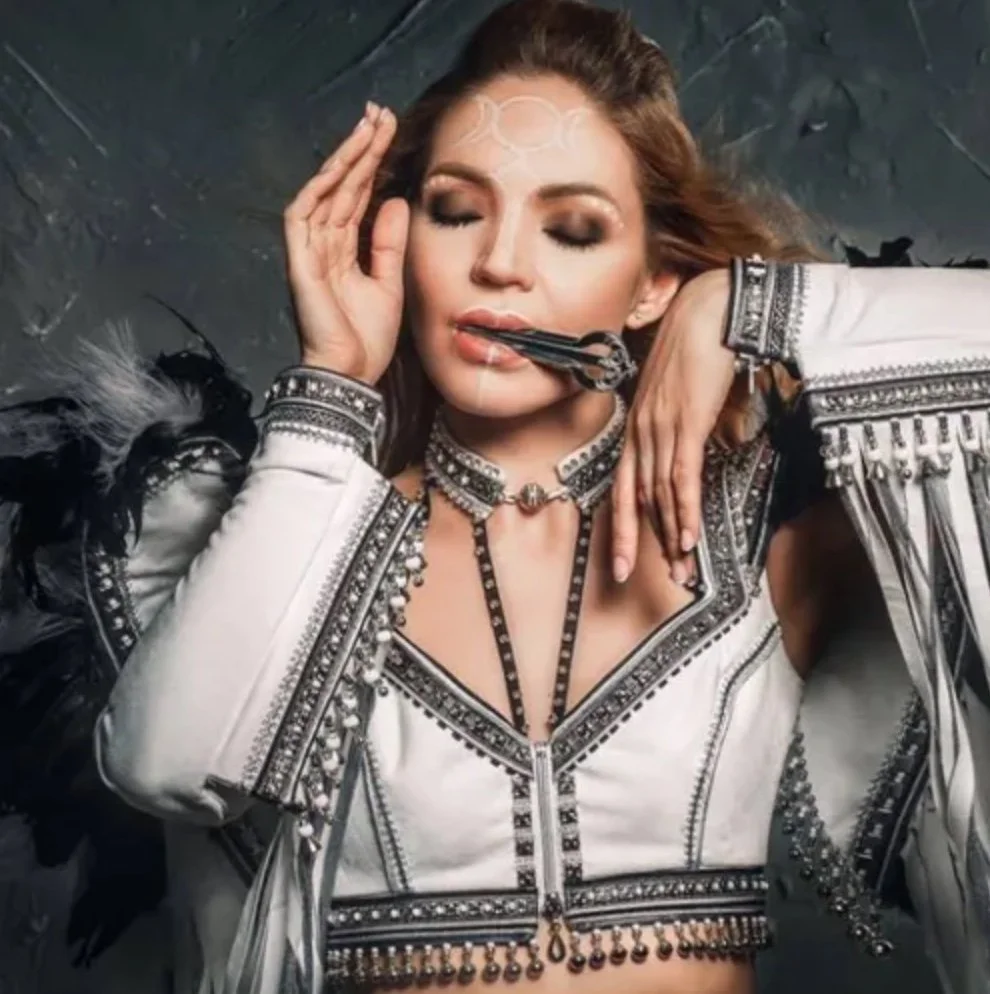
In the 20th and 21st centuries examples are numerous, but of the best known artists, Burl Ives, Leonard Cohen, The Beach Boys, The Beatles, The Who, The Clash, Imogen Heap, Thomas Dolby, Sam Lee and Big Thief might be among the ideas buzzing around. More recent players include the late John Wright, Svein Westad, Leo Tadagawa, Trần Quang Hải, Phons Bakx, Angus Lawrie, Patric Devane, Jimmie Fadden, Sindhi musician Amir Bux Ruunjho and the throat singer Olena Uutai, pictured above.
So there's a wide variety to choose from, and hopefully many more discoveries to come. Please make yours in the comments below, for playlists picked by this the sharp and shrewd ears of ShivSidecar for deadline at 11pm UK on Monday. What's the buzz? Over to you...
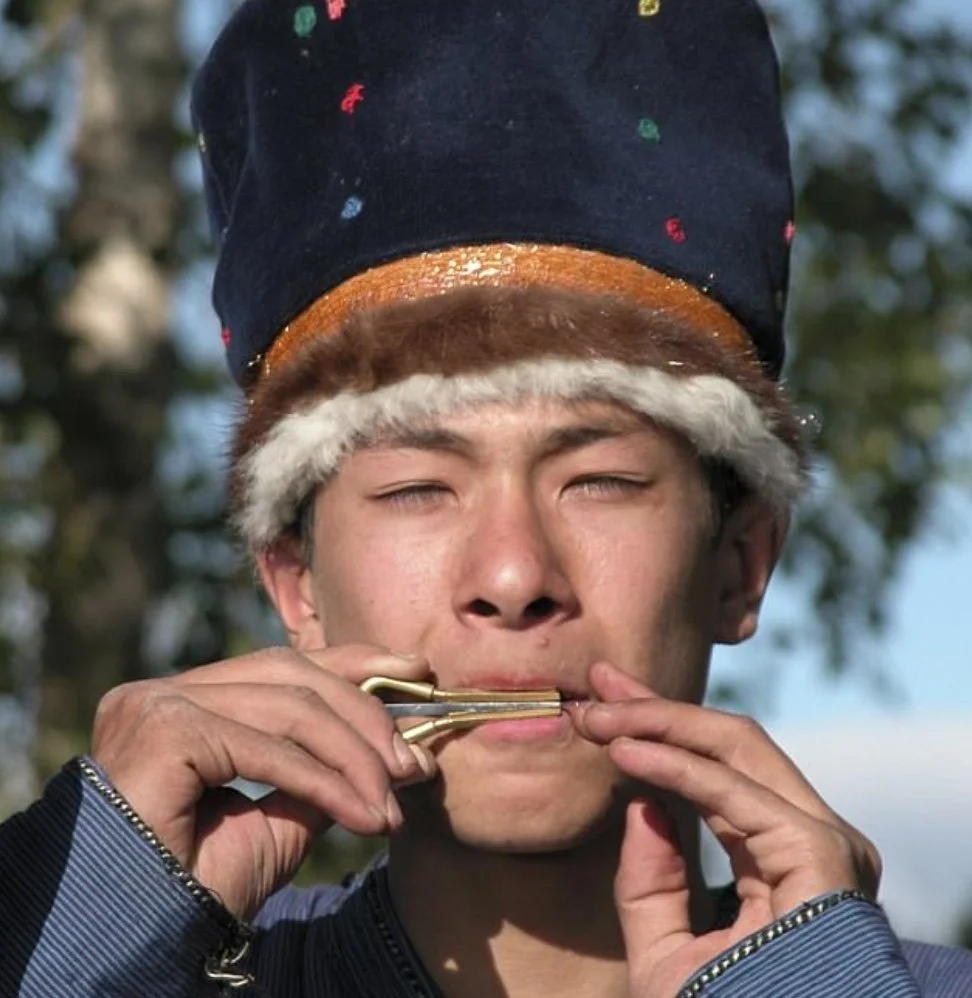
Maiminskaya nomadic tribe player from Central Asia
New to comment? It is quick and easy. You just need to login to Disqus once. All is explained in About/FAQs ...
Fancy a turn behind the pumps at The Song Bar? Care to choose a playlist from songs nominated and write something about it? Then feel free to contact The Song Bar here, or try the usual email address. Also please follow us social media: Song Bar X, Song Bar Facebook. Song Bar YouTube, and Song Bar Instagram. Please subscribe, follow and share.
Song Bar is non-profit and is simply about sharing great music. We don’t do clickbait or advertisements. Please make any donation to help keep the Bar running.