By Shiv Sidecar
An insistent twanging beat doesn’t sound like the scene-setter for a grim story of robbery and violent revenge, yet somehow in the hands of Ennio Morricone the main theme to the Spaghetti Western “For A Few Dollars More” builds and builds and builds anticipation, even before The Man With No Name rides into town. There’s a recurring motif involving pocket watches, which perhaps inspired the twang rhythm.
Morricone used a jaw harp – basically a plucked flexible metal or bamboo reed held in a frame in the mouth - to create his twangs. One of the less probable and most distinctive of musical instruments, the jaw harp has been successfully deployed in all manner of musical settings. Different varieties of harp have evolved in many disparate cultures. As usual, Song Bar patrons command an extensive knowledge of weird and (genuinely) wonderful musics. Here’s some twangy goodness:
Houshiguoguo is from Yunnan province in China. “Ganji” – effectively a jaw harp solo, to use rock critic jargon - demonstrates the range of effects that the instrument can produce, and also the sheer stamina required to sustain a piece. I’m not clear whether Norwegian Thov G. Wetterhus is using electronic treatment or just fancy amplification on the traditional piece “Fanitullen” (“The Devil’s Song”), but the contrast with the previous jaw harp tune couldn’t be greater.
Many western musicians love experimenting with “exotic” sounds using unfamiliar instruments and tunings. Jaw harps have never taken off to quite the extent that (say) sitars did in the 1960s, but they have been used as garnish in a wide variety of settings. Parliament was an outlet for George Clinton’s more outrageous funk experiments; we are offered a monstrous pile up of yodelling, country rock and jaw harp on “Little Ole Country Boy”. The Incredible String Band were a Marmite collective (much loved by many) who combined unusual song (non-)structures with whimsical lyrics and the contents of the school instrument box – including a jaw harp – on Robin Williamson’s extraordinary stream-of-consciousness “Koeeoaddi There”. In the early 1970s, The Who experimented with a variety of non-rock instruments. Their non-LP single “Join Together” opens with the haunting interplay of jaw harp and harmonica, creating a platform for their more traditional rock high jinks.
Experimental musicians are prone to add jaw harp twangs for extra spice. Andrea Benini‘s “Drumphilia” album is “a journey inspired by early African electronic music and modern beats”, and the percussive piece, “Marranzanu” is named for the Sicilian version of jaw harp. Sainkho Namtchylak comes from Tuva and uses the rasping hum sound which a jaw harp can produce as a background effect (which occasionally makes a jump into the foreground – boo!) Her throat-singer’s voice on “Tuva Blues” is a treat, too. Aphex Twin’s “Logan Rock Witch” (another one of Mr Twin’s Cornish references) successfully places a jaw harp in a contemporary (1990s, that is) dance setting. Norwegian band Wardruna make effective use of the jaw harp’s drone potential in their cod-medieval pagan-sounding “Bjarkan”. Outside, darkness falls.
My first encounter with the jaw harp came in 1971 with the appearance on TV of hirsute duo Medicine Head, who had a minor hit with the rather charming “(And The) Pictures In The Sky”, featuring Peter Hope-Evans whose musical skills seemed limited to harmonica and jaw harp. They later scored several bigger hits in the UK, of which “One And One Is One” is definitive. A version of the band (minus Hope-Evans) still plays today. More minimalism from Ataya, who uses pedals on his jaw harp like John Martyn used them on guitar. His “Organic Trance” is improvised and designed for dancing. You could also dance – or stomp – to Barbatuques’
“Baiana”, which combines Brazilian chanting with mesmeric jaw harp.
Some of these nominations have used twangs and drones as intros and / or outros, but others have built on them as a foundation for building musical edifices. Swans’ elegantly titled “You Fucking People Make Me Sick” takes us deep into a fathomless tunnel where the twangs can’t save us. We can rely on Philip Glass for something a little more decorous. His “Primacy Of Number” perhaps owes something to prog rock as instrument is layered over instrument.
That’s enough jaw harp for one Bar session. While you’re getting your coats, we’re playing out with Cicci Santucci & Enzo Scoppa’s jazzy, twangy “Barbagia”. It’s been a pleasure.
The All Buzzing, Twanging A-List Playlist:
(no B-list this time)
Ennio Morricone – Main Theme from For A Few Dollars More (MussoliniHeadkick)
Houshiguoguo – Ganji (Traktor Albatrost)
Thov G. Wetterhus – Fanitullen (Traktor Albatrost)
Parliament – Little Ole Country Boy (MussoliniHeadkick)
The Incredible String Band – Koeeoaddi There (Chris7572)
The Who – Join Together (SweetHomeAlabama)
Andrea Benini – Marranzanu (Loud Atlas)
Sainkho Namtchylak – Tuva Blues (Uncleben)
Aphex Twin – Logan Rock Witch (Uncleben)
Wardruna – Bjarkan (Vikingchild)
Medicine Head – One And One Is One (severin)
Ataya – Organic Trance (Nicko)
Barbatuques – Baiana (pejepeine)
Swans – You Fucking People Make Me Sick (Traktor Albatrost)
Philip Glass – Primacy Of Number (ajostu)
Cicci Santucci & Enzo Scoppa – Barbagia (pejepeine)
Guest Guru’s Wildcard Z-List
Amon Düül II - Im Krater Blühn Wieder Die Baume [possibly electronic twangs, but they sound the part]
Dave Clark & Friends – Draggin’ The Line
Medicine Head – Me And Suzie Hit The Floor
Márta Sebestyén – Leaving Derry Quay / Eleni
Vivian Stanshall – The Tube
The Beta Band – She’s The One
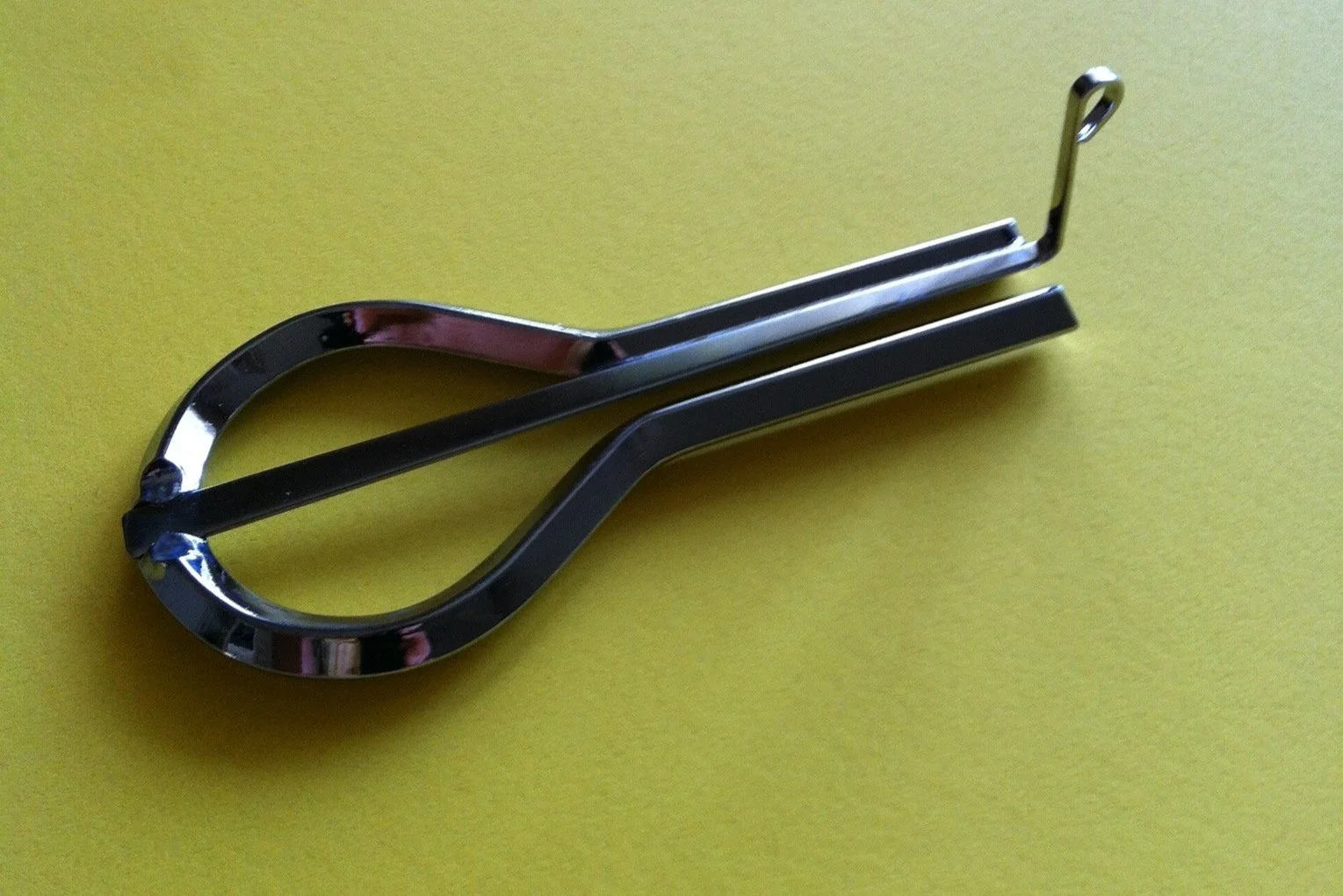
These playlists were inspired by readers' song nominations in response to last week's topic: It's your twang: songs featuring the jaw harp. The next topic will launch on Thursday after 1pm UK time.
New to comment? It is quick and easy. You just need to login to Disqus once. All is explained in About/FAQs ...
Fancy a turn behind the pumps at The Song Bar? Care to choose a playlist from songs nominated and write something about it? Then feel free to contact The Song Bar here, or try the usual email address. Also please follow us social media: Song Bar X, Song Bar Facebook. Song Bar YouTube, and Song Bar Instagram. Please subscribe, follow and share.